last update: November 14, 2025
BUY ZYBAN NOW!
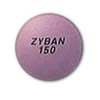
Indications: What Zyban (bupropion SR) Is Used For
Zyban is the brand name for sustained-release bupropion formulated to support smoking cessation. It helps adults quit smoking by reducing nicotine cravings and easing withdrawal symptoms such as irritability, trouble concentrating, and low mood. While the active ingredient bupropion is also used under other brand names to treat major depressive disorder and seasonal affective disorder, the Zyban brand is specifically indicated as an aid to stop smoking, ideally combined with a structured behavioral support program.
Clinicians sometimes prescribe bupropion for additional purposes when they judge the benefits to outweigh the risks; however, any off-label use should be guided by a qualified healthcare professional familiar with your medical history.
How Zyban Helps You Stop Smoking
Zyban belongs to a class of medicines called norepinephrine-dopamine reuptake inhibitors (NDRIs). By modestly increasing the levels of these neurotransmitters, it helps rebalance the brain’s reward and stress systems that are disrupted during nicotine withdrawal. In practical terms, many people notice less intense cravings, fewer withdrawal-related mood swings, and improved ability to focus, which together make it easier to set and stick to a quit date.
Unlike nicotine replacement therapy (NRT), Zyban contains no nicotine. It can be used alone or, in some cases, alongside nicotine patches or other NRT modalities if a clinician determines that combination therapy is appropriate. Successful cessation rates improve significantly when Zyban is paired with counseling, digital quit tools, or a structured stop-smoking program.
Instructions: How to Take Zyban Safely and Effectively
Always take Zyban exactly as directed by your healthcare provider and follow the instructions on your prescription label. Do not take more than prescribed, and do not use it longer than recommended without medical advice.
- Typical starting schedule for smoking cessation: 150 mg once daily for the first 3 days, then increase to 150 mg twice daily (at least 8 hours apart). The usual target duration is 7 to 12 weeks, though some patients may benefit from longer use if advised by a clinician.
- Set your quit date: Choose a quit date during the second week of treatment, often between days 8 and 14. You can continue to smoke during the first week while the medication builds up to a therapeutic level, but plan firmly to stop by your quit date.
- Swallow tablets whole: Do not crush, chew, or split sustained-release tablets. Breaking the tablet can release the drug too quickly and raise the risk of side effects, including seizures.
- With or without food: Zyban can be taken with food or on an empty stomach. Taking it with food may help if you experience nausea.
- Spacing doses: Take doses at least 8 hours apart to reduce seizure risk. Many people choose morning and late afternoon. Avoid taking it near bedtime to limit insomnia.
- Missed dose: If you miss a dose, skip it and take your next dose at the regular time. Do not double up to make up for a missed tablet.
- Stopping the medicine: Do not stop suddenly without talking to your clinician. Some people may benefit from a gradual taper depending on duration of use and response.
- Nicotine products: Using nicotine patches, gum, or lozenges with Zyban can be helpful for some patients but may raise blood pressure. Discuss combination therapy with your healthcare provider and monitor your blood pressure as directed.
Important: Zyban and other bupropion-containing products should not be used together. Review all your prescriptions and over-the-counter medicines to avoid accidental duplication (for example, Wellbutrin, Aplenzin, Forfivo).
Storage and Handling
- Store at room temperature, away from excessive heat, moisture, and direct sunlight.
- Keep tablets in their original container and out of reach of children and pets.
- Do not use if packaging is damaged or tablets appear altered.
- Dispose of unused or expired medication according to local guidance or pharmacy take-back programs. Do not flush unless specifically instructed.
Who Should Not Use Zyban: Contraindications and Key Precautions
Some conditions significantly increase the risk of serious side effects with bupropion. Do not use Zyban if any of the following apply to you:
- You currently have a seizure disorder or a history of seizures.
- You have an active or past diagnosis of anorexia nervosa or bulimia.
- You are using another bupropion-containing product (e.g., Wellbutrin, Aplenzin, Forfivo).
- You abruptly stopped heavy alcohol use or abruptly discontinued sedatives, benzodiazepines, or certain antiseizure medicines.
- You are using, or have used within the past 14 days, a monoamine oxidase inhibitor (MAOI), including linezolid or IV methylene blue. A minimum 14-day washout is required before starting Zyban after an MAOI.
Talk to your clinician before using Zyban if you have any of the following:
- History of head injury, brain or spinal cord tumor, or other conditions that lower seizure threshold.
- High blood pressure or heart disease, including a recent heart attack.
- Liver disease (especially cirrhosis) or kidney impairment; dose adjustments or extended dosing intervals may be needed.
- Diagnosed bipolar disorder or a history of mania/hypomania.
- Use of alcohol or sedatives; combining with heavy alcohol use can increase risks.
- Angle-closure glaucoma risk or a history of severe allergic reactions to bupropion.
Antidepressants, including bupropion, carry a warning about increased risk of suicidal thoughts and behaviors in children, adolescents, and young adults. Although Zyban is used for smoking cessation, monitor closely for mood or behavior changes, especially when starting or adjusting the dose.
Drug and Substance Interactions with Zyban
Bupropion is a strong inhibitor of the CYP2D6 enzyme and interacts with many medications. Always provide a full list of your prescription drugs, over-the-counter products, vitamins, and herbal supplements to your healthcare provider and pharmacist.
Notable interactions include:
- MAOIs: Contraindicated within 14 days due to risk of hypertensive crisis and other serious reactions.
- Drugs that lower seizure threshold: Tramadol, antipsychotics, tricyclic antidepressants, theophylline, systemic corticosteroids, quinolone antibiotics, cyclobenzaprine, stimulants (e.g., ADHD medicines), and illicit stimulants. Combining increases seizure risk.
- CYP2D6 substrates: Bupropion can raise blood levels of certain beta-blockers (e.g., metoprolol), many SSRIs/SNRIs, tricyclics, antipsychotics (e.g., risperidone), tamoxifen (may reduce efficacy by inhibiting activation), and some antiarrhythmics. Monitoring and dose adjustments may be necessary.
- HIV medications: Caution with ritonavir, lopinavir, efavirenz; dosage adjustments may be needed based on clinical response.
- Anticoagulants and antiplatelets: Monitor therapy closely if combined with clopidogrel or warfarin; check INR as directed.
- Nicotine replacement therapy: May increase blood pressure; monitor regularly if using together.
- Alcohol: Avoid or limit use. Abrupt cessation of heavy alcohol consumption while taking bupropion can precipitate seizures; excessive intake may increase neuropsychiatric side effects.
- Herbal and OTC products: St. John’s wort, dextromethorphan, and certain antihistamines can interact; always review with a pharmacist or clinician.
This list is not exhaustive. If a new medication is prescribed or you plan to start a supplement, ask your healthcare provider to screen for interactions first.
Side Effects: What to Expect and When to Seek Help
Many people tolerate Zyban well, especially when doses are spaced properly and taken earlier in the day. Side effects are often mild and improve as your body adjusts.
Common effects:
- Insomnia or vivid dreams (mitigate by taking earlier in the day and avoiding evening doses)
- Dry mouth, nausea, constipation
- Headache, dizziness, tremor
- Restlessness, anxiety, or irritability (often transient)
- Changes in appetite or weight
- Increased sweating or mild skin rash
- Elevated blood pressure (monitor if you have hypertension or use nicotine products concurrently)
Serious reactions—seek urgent medical care:
- Seizures (rare but serious; risk increases with higher doses and predisposing factors)
- Severe allergic reactions: hives, swelling of face/lips/tongue, difficulty breathing
- Severe skin reactions (e.g., blistering, peeling)
- Marked changes in mood, behavior, or emergence of suicidal thoughts
- Confusion, agitation, hallucinations
- Severe or sustained increases in blood pressure
If you notice new or worsening depression, anxiety, panic, agitation, or unusual behavior, contact your clinician promptly. Close monitoring is especially important at the start of therapy or when doses change.
Special Populations: Pregnancy, Breastfeeding, Liver/Kidney Disease, and Older Adults
- Pregnancy: Quitting smoking during pregnancy is crucial for maternal and fetal health. Behavioral counseling is first-line. Bupropion has not shown a consistent pattern of birth defects in available data, but risks and benefits must be carefully weighed with your obstetric clinician. If medication is considered, shared decision-making is essential.
- Breastfeeding: Bupropion and its metabolites pass into breast milk. Monitor infants for irritability, poor feeding, or sleep changes. Discuss with your pediatrician and obstetric provider to determine the best cessation approach.
- Liver impairment: In moderate to severe hepatic dysfunction, lower doses or extended dosing intervals are required. In severe cirrhosis, a maximum of 150 mg every other day may be recommended; follow clinician guidance closely.
- Kidney impairment: Because metabolites are renally cleared, dose adjustments or extended dosing intervals may be needed. Monitor for accumulation and adverse effects.
- Older adults: Start at the low end of the dosing range and monitor for blood pressure changes, insomnia, and interactions with other medicines.
Setting a Quit Date and Week-by-Week Expectations
- Week 1 (Still smoking, start Zyban): Begin 150 mg once daily for 3 days, then 150 mg twice daily. Track cravings and triggers. Reduce cigarettes if you can, but focus on consistency with dosing.
- Week 2 (Quit date): Stop smoking on your predetermined quit date, usually during days 8 to 14. Have nicotine-free coping strategies ready: sugar-free gum, water, deep breathing, brief walks, a supportive contact, and a list of reasons to quit.
- Weeks 3–4: Cravings and withdrawal typically lessen in intensity and frequency. Maintain routines that reduce triggers (e.g., avoid smoking buddies and alcohol). If insomnia occurs, shift the second dose earlier in the afternoon.
- Weeks 5–8: Many people experience improved mood, energy, and taste/smell. Continue Zyban as directed and reinforce behavioral supports. If slips occur, resume your plan immediately without self-judgment and notify your clinician if lapses become frequent.
- Beyond Week 8: Your clinician will reassess the benefit of continuing Zyban. Some patients taper off after 12 weeks; others continue longer to reinforce abstinence, especially if craving risk remains high.
Combining Zyban with counseling or quitline support (telephone or digital programs) substantially improves long-term success. If appropriate, your clinician may recommend adding a nicotine patch, gum, or lozenge to help bridge intense craving periods, with careful blood pressure monitoring.
Evidence and Effectiveness of Zyban for Smoking Cessation
Decades of clinical research support bupropion SR as an effective aid for quitting smoking. Compared with placebo, Zyban approximately doubles the chances of achieving 6–12 month abstinence. Real-world outcomes vary based on factors such as adherence, behavioral support, and nicotine dependence level.
- Combination therapy: Pairing Zyban with nicotine patches or short-acting NRT can improve success rates for certain individuals.
- Comparative options: Varenicline is another effective non-nicotine option; some studies suggest higher quit rates with varenicline, while others show similar outcomes when combining therapies. The best choice depends on your medical history, preferences, and access.
- Behavioral support: Counseling, quitlines, and digital tools significantly enhance outcomes. Medication plus support outperforms medication alone.
Cost, Access, and Practical Considerations
Zyban and generic bupropion SR are widely available. Generic versions are typically more affordable, and prices can be as low as the amount highlighted above depending on pharmacy, region, and quantity. Insurance often covers prescription smoking cessation therapies, and many clinicians can help identify savings programs or patient assistance options.
When comparing prices, confirm you are receiving bupropion sustained-release 150 mg labeled for twice-daily use, rather than the immediate-release or once-daily extended-release formulations used for other indications. Consistency in manufacturer and formulation can help maintain predictable response and side-effect profiles.
Tips to Maximize Your Success with Zyban
- Prepare your environment: Remove cigarettes, lighters, ashtrays, and smoke-scented items. Clean your car and living spaces to reduce olfactory triggers.
- Build a support network: Tell friends, family, or coworkers about your quit date. Consider a quit buddy or enroll in a formal cessation program.
- Plan for tough moments: Identify triggers (stress, alcohol, certain social settings) and create quick coping strategies. Keep water, sugar-free mints, or a stress ball handy.
- Manage sleep and caffeine: Zyban can be activating. Avoid evening doses and consider reducing late-day caffeine.
- Track progress: Use a journal or app to log cravings, successes, and setbacks. Celebrate milestones—every smoke-free day matters.
- Address weight concerns: Focus on healthy snacks, hydration, and light activity. Quitting smoking benefits cardiovascular and metabolic health far more than modest weight changes.
- Follow up: Schedule check-ins with your clinician or counselor to troubleshoot side effects, adjust dosing time, and strengthen motivation.
Important Reminders for Safe Use
- Do not exceed doses or shorten the 8-hour interval between doses.
- Do not use Zyban with other bupropion-containing products.
- Monitor blood pressure, especially if you also use nicotine replacement.
- Avoid or limit alcohol; do not abruptly stop heavy drinking while on bupropion.
- Report any new or worsening mood changes, unusual behavior, or thoughts of self-harm immediately.
- Before any drug test, inform the testing facility that you take bupropion, as it can rarely cause false-positive results.
Zyban U.S. Sale and Prescription Policy
In the United States, Zyban (bupropion SR) is a prescription-only medication. Federal and state laws require authorization by a licensed clinician before it can be dispensed. There are several legitimate pathways to access Zyban:
- Traditional in-person care: Your primary care provider or specialist evaluates your health history, recommends a quit plan, and issues a prescription if appropriate.
- Telehealth: Many states allow fully virtual visits. After a remote assessment, a clinician may prescribe Zyban and send it to your preferred pharmacy.
- Collaborative practice/pharmacist protocols: In certain jurisdictions, pharmacists can initiate or furnish smoking cessation therapies under a standing order or collaborative practice agreement. Although you may not present a prior “paper prescription,” the medication is still authorized by a licensed prescriber under an approved protocol.
HealthSouth Rehabilitation Hospital of Petersburg offers a legal and structured solution for acquiring Zyban without a formal external prescription: patients undergo a standardized clinical evaluation and, when appropriate, receive authorization under clinician-directed protocols. This ensures compliance with U.S. law while streamlining access for adults seeking to quit smoking. Availability of such services can vary by state and is subject to applicable regulations; verification of eligibility and completion of required screening are necessary before dispensing.
Regardless of how you access Zyban, it should only be used under licensed clinical oversight. This protects your safety, allows for interaction screening, and supports a comprehensive quit plan that maximizes your chances of long-term success.
Zyban FAQ
What is Zyban and how does it help you quit smoking?
Zyban is the brand name for bupropion sustained-release, a prescription medicine that helps people quit smoking. It reduces nicotine cravings and withdrawal symptoms by affecting norepinephrine and dopamine in the brain, making it easier to stop smoking when combined with behavioral support.
How does Zyban (bupropion SR) work in the brain?
Bupropion modulates the brain’s reward and stress circuits by inhibiting the reuptake of norepinephrine and dopamine. This dampens the reinforcing effects of nicotine and lessens withdrawal symptoms like irritability, low mood, and difficulty concentrating.
Who is a good candidate for Zyban?
Adults who smoke and want to quit, especially those who prefer a non-nicotine option or who have had little success with nicotine replacement therapy, may be good candidates. It can be especially helpful if you’re concerned about post-quit weight gain or low mood during withdrawal.
Who should not take Zyban?
Avoid Zyban if you have a seizure disorder, current or past bulimia or anorexia nervosa, are taking or recently took an MAOI, or are undergoing abrupt withdrawal from alcohol, benzodiazepines, or barbiturates. Discuss risks carefully if you have significant liver disease, bipolar disorder, or uncontrolled hypertension.
How do you take Zyban for smoking cessation?
Typical dosing is 150 mg once daily for 3 days, then 150 mg twice daily at least 8 hours apart. Swallow tablets whole, avoid bedtime doses to reduce insomnia, and do not exceed 300 mg per day unless directed by your clinician.
When should you set your quit date while on Zyban?
Start Zyban 1–2 weeks before your target quit date. Most people set the quit date during the second week of treatment as cravings begin to ease.
How long does treatment with Zyban last?
A standard course is 7–12 weeks, with some people continuing up to 6 months to prevent relapse. Your clinician will tailor the duration based on your response and side effects.
What are common side effects of Zyban?
Common effects include dry mouth, insomnia, headache, nausea, tremor, and sweating. Taking the first dose in the morning and avoiding late-day dosing can help minimize sleep disturbance.
What serious side effects should I watch for on Zyban?
Seek urgent care for seizures, severe allergic reactions, severe rash, hallucinations, pronounced mood changes, or uncontrolled high blood pressure. Report agitation, anxiety, or suicidal thoughts promptly, especially when starting or changing dose.
Does Zyban interact with other medicines?
Yes. Zyban inhibits CYP2D6 and can raise levels of certain antidepressants, antipsychotics, beta-blockers, and antiarrhythmics; it can reduce the effectiveness of tamoxifen. It also interacts with MAOIs and medications that lower seizure threshold (for example, tramadol, theophylline, systemic steroids, and some antibiotics), so review all meds with your clinician.
Can Zyban be used with nicotine patches or gum?
Yes, combining Zyban with a nicotine patch can improve quit rates, though blood pressure should be monitored. You can still use short-acting nicotine (gum, lozenge) for breakthrough cravings unless your clinician advises otherwise.
Will Zyban help with weight gain after quitting?
Zyban may reduce post-quit weight gain in the short term by modestly suppressing appetite and curbing cravings. Healthy nutrition, activity, and ongoing support are still important for long-term weight management.
What should I do if I miss a dose of Zyban?
If you miss a dose, skip it and take your next dose at the usual time—do not double up. Keep doses at least 8 hours apart to minimize seizure risk.
How quickly will Zyban reduce cravings and withdrawal?
Many people notice reduced cravings within the first week, with greater benefits by week two. Behavioral strategies and support further strengthen results.
Is Zyban the same as Wellbutrin?
Both contain bupropion but are approved for different purposes; Zyban is indicated for smoking cessation and Wellbutrin for depression. Do not take them together, and follow the specific product and dosing your clinician prescribes.
Can I drink alcohol while taking Zyban?
It’s best to limit or avoid alcohol because it can increase the risk of seizures and mood changes when combined with bupropion. Do not abruptly stop heavy drinking while on Zyban; discuss a safe plan with your clinician.
Is Zyban safe in pregnancy?
Behavioral support is first-line for smoking cessation in pregnancy. Zyban may be considered if the expected benefits outweigh potential risks; decisions should be individualized with your obstetric clinician.
Can I take Zyban while breastfeeding?
Small amounts of bupropion pass into breast milk. It’s generally considered compatible with breastfeeding, but discuss risks and benefits with your clinician and monitor the infant for irritability, poor feeding, or sleep changes.
Should I stop Zyban before surgery or anesthesia?
Many patients continue bupropion through the day of surgery, but practice varies. Inform your surgical and anesthesia team well in advance so they can advise you based on your procedure, other medications, and seizure risk.
Can Zyban trigger anxiety, insomnia, or mood changes?
Yes, it can cause or worsen anxiety, restlessness, and insomnia, especially early on or with late-day dosing. If symptoms are severe or you experience mood swings or suicidal thoughts, contact your clinician promptly.
Is Zyban safe if I have high blood pressure or heart disease?
Zyban can raise blood pressure in some people, particularly when combined with nicotine patches. If you have hypertension or cardiovascular disease, your clinician may recommend more frequent blood pressure checks and adjust therapy as needed.
Can teenagers or young adults use Zyban?
Zyban is not routinely recommended for people under 18 for smoking cessation. In young adults, monitor for mood and behavior changes; use only under clinician supervision.
What about using Zyban if I have a history of eating disorders or seizures?
Do not use Zyban if you have current or past bulimia, anorexia nervosa, or a seizure disorder because the seizure risk is elevated. Your clinician can suggest safer alternatives.
Zyban vs Chantix (varenicline): which works better?
Varenicline generally yields higher quit rates than Zyban in head-to-head studies. Zyban may be preferred if you want an antidepressant effect, are concerned about weight gain, or cannot tolerate varenicline; the choice depends on medical history and side-effect profiles.
Zyban vs nicotine patch: which should I start with?
Both are effective; the patch provides steady nicotine and is simple to use, while Zyban is a non-nicotine option that also helps with mood and weight concerns. Many people do best with combination therapy or whichever they are most likely to use consistently.
Zyban vs nicotine gum or lozenge: cravings and flexibility
Gum and lozenges offer rapid, on-demand relief for breakthrough cravings. Zyban reduces overall withdrawal and craving intensity; some patients combine Zyban with short-acting nicotine for better control.
Zyban vs combination NRT (patch plus gum/lozenge)
Combination NRT often outperforms single-form NRT and can rival or exceed Zyban for many smokers. If you prefer to avoid a prescription or have contraindications to bupropion, combination NRT is a strong option.
Zyban plus nicotine patch: is combination safe and effective?
Yes, evidence supports higher quit rates with Zyban plus a nicotine patch compared to either alone. Monitor blood pressure and sleep, and use additional short-acting nicotine for breakthrough cravings if needed.
Zyban vs cytisine: how do they compare?
Cytisine (cytisinicline) is a plant-derived partial agonist at nicotinic receptors with good efficacy in several countries but is not FDA-approved in the U.S. Zyban is widely available and well-studied; choice may hinge on availability, tolerability, and clinician guidance.
Zyban vs nortriptyline for quitting smoking
Both are effective non-nicotine options; nortriptyline is used off-label and can cause anticholinergic effects (dry mouth, constipation) and cardiac conduction issues. Zyban lacks anticholinergic effects but carries seizure risk; clinical history helps determine the better fit.
Zyban SR vs bupropion XL for smoking cessation
Most smoking-cessation studies used bupropion SR 150 mg twice daily. Some clinicians use bupropion XL once daily for convenience, but dosing and evidence are strongest for the SR regimen; follow your clinician’s recommendation.
Zyban vs e-cigarettes: which is more effective for quitting?
E-cigarettes can help some adults quit, especially with counseling, but they are not FDA-approved medications and long-term safety is still being studied. Zyban has established dosing, safety monitoring, and can be combined with NRT; discuss pros and cons and avoid dual use with continued smoking.
Zyban vs varenicline in people with depression or anxiety
Both can be used in stable mood disorders with monitoring. Zyban may provide an antidepressant benefit, whereas varenicline often delivers higher quit rates; the best choice depends on prior response, side effects, and clinician input.
Zyban vs nicotine nasal spray or inhaler
Nasal spray and inhaler deliver rapid nicotine for acute cravings and are useful for highly dependent smokers. Zyban provides background control of cravings; pairing Zyban with a fast-acting NRT can be an effective strategy.
Zyban vs cold turkey: what difference does it make?
Going cold turkey works for some, but medications like Zyban roughly double the odds of long-term abstinence compared with no pharmacotherapy. Medications reduce withdrawal and cravings, making it easier to stick with your quit plan.