last update: November 14, 2025
BUY ENDEP NOW!
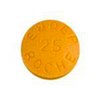
What Is Endep (Amitriptyline)? Indications and Uses
Endep is the brand name for amitriptyline, a tricyclic antidepressant (TCA) prescribed primarily for major depressive disorder and widely used in lower doses for chronic pain conditions. By influencing the brain’s chemical messengers—particularly serotonin and norepinephrine—it can help lift mood, improve sleep quality, and reduce the intensity of neuropathic pain. Clinicians also use amitriptyline off-label for several conditions where it has supportive evidence.
- Depression treatment: Endep can relieve persistent low mood, loss of interest, reduced energy, and other symptoms of major depressive disorder.
- Chronic pain and neuropathic pain: Low-dose amitriptyline helps conditions such as diabetic neuropathy, post-herpetic neuralgia, and nerve-related back or neck pain.
- Migraine prevention and tension-type headache: Endep is a common option to reduce migraine frequency and severity over time.
- Functional pain syndromes: Often considered for fibromyalgia, irritable bowel syndrome (IBS) pain, and interstitial cystitis-related discomfort.
- Sleep disturbances related to pain or depression: Sedating properties can aid sleep onset and continuity when taken at night.
Whether you are starting Endep for depression or a pain condition, the strategy is usually “start low and go slow.” Lower doses are typically sufficient for pain, while moderate to higher doses are often needed for depression.
How Endep Works in the Brain and Body
Amitriptyline enhances the activity of monoamine neurotransmitters by blocking the reuptake of serotonin and norepinephrine at nerve endings. This increases their availability in synaptic spaces, which over time helps stabilize mood and reduce chronic pain signaling. Endep also has additional receptor effects that explain both its benefits and side effects:
- Anticholinergic activity (muscarinic blockade): Reduces secretions and intestinal motility, contributing to dry mouth and constipation.
- Antihistamine (H1) effects: Provides sedation—useful for nighttime dosing and insomnia but can cause daytime drowsiness if dosed too high or taken too late.
- Alpha-1 adrenergic blockade: Can lower blood pressure when standing quickly, leading to lightheadedness (orthostatic hypotension).
- Sodium channel effects: Thought to contribute to analgesic benefit in neuropathic pain states, reducing abnormal nerve firing.
These mechanisms jointly support Endep’s role across mood and pain pathways, though they also explain why careful dosing and monitoring are important, especially in older adults and those with comorbidities.
Directions: How to Take Endep Safely
Use Endep exactly as directed by your clinician. Do not change your dose or stop the medicine without medical guidance.
- Timing with food: You can take Endep with or without food. If it upsets your stomach, try taking it with a small snack.
- Best time of day: Because it can be sedating, most people take Endep in the evening or at bedtime. If being treated for depression with divided doses, follow your prescriber’s schedule.
- Do not exceed the prescribed dose: Higher doses increase side effect risk, including heart rhythm changes and excessive sedation.
- Grapefruit caution: Avoid grapefruit or grapefruit juice while taking Endep, as it can affect drug metabolism for some people.
- Alcohol and CNS depressants: Alcohol, benzodiazepines, sleep medicines, and opioids can amplify sedation and impair coordination. Combining them increases risk and should be avoided or minimized under medical advice.
- Onset of benefit: For depression, allow 2 to 4 weeks—or sometimes longer—for mood to improve. For pain or migraine prevention, some benefit may appear within 1 to 2 weeks, with continued improvement over several weeks.
- Do not stop abruptly: Stopping suddenly can lead to withdrawal-like symptoms (nausea, headache, sleep disturbance, irritability). If a change is needed, your clinician will guide a gradual taper.
- Before procedures: Inform your surgeon or dentist that you take amitriptyline; you may be advised to pause or adjust the dose prior to surgery.
- Missed dose: If you forget a dose, take it when you remember unless it is close to the next dose. If it’s near bedtime the following night, skip the missed dose. Do not double up.
- Driving and machinery: Until you know how Endep affects you, avoid driving or operating heavy equipment.
Endep Dosage Guide (Adults and Older Adults)
Your dose depends on the condition being treated, your age, other medications, and how you tolerate initial therapy. Always follow your prescriber’s advice; the following information is general guidance.
- Depression (outpatients): Start around 25 to 50 mg at bedtime or in divided doses. Increase gradually to about 75 to 100 mg/day; some patients require up to 150 mg/day. Titrate slowly to reduce side effects.
- Depression (hospitalized/inpatient): Doses may be increased beyond 150 mg/day under close monitoring; some patients reach a maximum of 300 mg/day in specialized settings.
- Neuropathic pain and chronic pain syndromes: Often started at 10 to 25 mg at bedtime, increasing by 10 to 25 mg every 3 to 7 days as tolerated. Many patients respond between 25 and 75 mg nightly; some need up to 100 mg.
- Migraine prevention or tension-type headache: Typically 10 to 25 mg nightly initially, titrating up to 50 to 75 mg if needed and tolerated.
- Older adults (65+): Increased sensitivity to side effects warrants lower starting doses (e.g., 10 mg nightly) and slower titration. Target doses are usually lower than in younger adults.
- Hepatic impairment: Use with caution at reduced doses, with slow titration and careful monitoring. Endep is metabolized in the liver (CYP2D6, CYP2C19, CYP3A4 pathways).
Pediatric use for depression is generally not recommended without specialist involvement. Like other antidepressants, amitriptyline carries a boxed warning regarding increased risk of suicidal thinking and behavior in children, adolescents, and young adults, especially during initiation and dose changes. Close caregiver supervision and clinician follow-up are essential in younger populations.
Storage and Handling
- Store at room temperature, ideally below 30°C (86°F), away from moisture and direct light.
- Keep in a child-resistant container and out of reach of children and pets.
- Do not store in the bathroom where humidity is high.
- Dispose of unused or expired tablets according to local medication take-back guidance; do not flush unless instructed.
Key Facts and Pharmacology
- Active ingredient: Amitriptyline hydrochloride.
- Class: Tricyclic antidepressant (TCA).
- FDA status: Amitriptyline was approved by the U.S. Food and Drug Administration in 1983.
- Available strengths: Common tablet strengths include 10 mg, 25 mg, 50 mg, 75 mg, 100 mg, and 150 mg.
- Metabolism: Primarily via CYP2D6 and CYP2C19; major active metabolite is nortriptyline.
- Half-life: Variable; typically 10 to 28 hours for amitriptyline and 18 to 44 hours for nortriptyline, leading to once-daily dosing for many indications.
- Time to benefit: Mood benefits accumulate over weeks; pain and sleep benefits often appear sooner.
Who Should Not Use Endep (Contraindications)
- Known allergy to amitriptyline or any tablet component.
- Use with monoamine oxidase inhibitors (MAOIs) within the past 14 days (e.g., phenelzine, tranylcypromine, selegiline) or planned use of linezolid or intravenous methylene blue; risk of serious reactions including serotonin syndrome.
- Recent myocardial infarction (heart attack) or serious arrhythmias; TCAs can affect cardiac conduction.
- Uncontrolled narrow-angle glaucoma due to anticholinergic effects that can increase intraocular pressure.
- Severe liver dysfunction where metabolism is impaired.
Always review your medical history with your clinician to ensure Endep is appropriate for you.
Medical Conditions That Require Extra Caution
- Mood disorders beyond depression: A history of bipolar disorder, mania, or hypomania increases the risk of mood switching; mood stabilizer co-management may be needed.
- Suicidal thoughts or behaviors: Close monitoring is critical during initiation and dose changes.
- Seizure disorders: TCAs can lower seizure threshold; use the lowest effective dose and monitor closely.
- Cardiovascular disease: Conduction abnormalities, heart failure, or significant coronary disease warrant ECG monitoring and conservative dosing.
- Thyroid disease or thyroid medication use: May influence sensitivity to TCAs and cardiac risk.
- Urinary retention, enlarged prostate (BPH): Anticholinergic effects may worsen voiding difficulties.
- Chronic constipation or paralytic ileus: Anticholinergic effects can aggravate bowel motility issues.
- Glaucoma (especially angle-closure): Risk of increased intraocular pressure.
- Diabetes: Endep can affect blood glucose; monitor more frequently when starting or adjusting dose.
- Older age: Higher susceptibility to confusion, falls, and anticholinergic effects; Beers Criteria list TCAs as potentially inappropriate for many older adults.
- Pregnancy and breastfeeding: Not first-line in pregnancy; weigh risks and benefits with a clinician. Endep crosses the placenta and may be associated with neonatal adaptation symptoms (e.g., jitteriness) if used near delivery. Small amounts pass into breast milk; some experts allow use with infant monitoring for sedation and poor feeding. Individualize decisions with obstetric and pediatric guidance.
- Alcohol use disorder: Additive sedation and higher overdose risk warrant heightened caution.
Drug Interactions With Endep (Amitriptyline)
Always provide your clinician and pharmacist with a complete list of prescription drugs, over-the-counter products, and supplements. Important interaction categories include:
- MAO inhibitors and serotonergic drugs: Do not combine with MAOIs or use within 14 days. Combining with other serotonergic agents (SSRIs like fluoxetine and paroxetine, SNRIs, certain migraine triptans, tramadol, linezolid, St. John’s wort) may raise serotonin syndrome risk. If switching from fluoxetine, allow an adequate washout due to its long half-life.
- CYP2D6/CYP2C19/CYP3A4 inhibitors: Medications that inhibit these enzymes can raise amitriptyline levels. Examples include fluoxetine, paroxetine, duloxetine, bupropion, quinidine, cimetidine, terbinafine, fluconazole, and some macrolide antibiotics. Dose adjustments and monitoring may be required.
- CYP inducers: Agents like carbamazepine, phenytoin, rifampin, and St. John’s wort may lower levels and reduce effectiveness.
- QT-prolonging or proarrhythmic drugs: Combining with certain antiarrhythmics (e.g., amiodarone), antipsychotics (e.g., haloperidol, ziprasidone), methadone, some macrolides (e.g., erythromycin, clarithromycin), and certain fluoroquinolones (e.g., moxifloxacin) increases cardiac risk. ECG monitoring may be indicated.
- Anticholinergics: Additive effects with drugs like oxybutynin, benztropine, and scopolamine increase dry mouth, constipation, blurred vision, and urinary retention.
- CNS depressants and alcohol: Heightened sedation and respiratory depression risks with benzodiazepines, sedative-hypnotics, opioids, and alcohol.
- Antihypertensives: Amitriptyline can reduce the effectiveness of drugs like clonidine and guanethidine; blood pressure should be monitored.
- Anticoagulants: Warfarin effects may be potentiated in some patients; monitor INR when starting or adjusting Endep.
This list is not exhaustive. Discuss any new medications, supplements, or herbal products with your healthcare provider before making changes.
Important Safety Information and Boxed Warning
- Boxed warning (antidepressants): Antidepressants may increase the risk of suicidal thoughts and behaviors in children, adolescents, and young adults during early treatment and dose changes. Monitor closely for mood changes, agitation, or unusual behavior, and contact a clinician immediately if concerning symptoms arise.
- Drowsiness and dizziness: Common, especially when starting or increasing the dose. Rise slowly from sitting or lying positions to limit lightheadedness.
- Orthostatic hypotension: Can cause fainting, particularly in older adults. Adequate hydration and slow position changes help reduce risk.
- Heat sensitivity and sun exposure: Endep may impair heat dissipation and increase sun sensitivity. Avoid overheating, hydrate well, and use sunscreen and protective clothing.
- Anticholinergic effects: Dry mouth, constipation, blurred vision, and urinary retention may occur. Sugar-free gum, increased fluids, dietary fiber, and stool softeners can help. Seek urgent care for severe constipation or difficulty urinating.
- Cardiac effects: TCAs can slow cardiac conduction and prolong QT interval. Patients with cardiac disease or on QT-prolonging drugs may need ECG monitoring.
- Seizure risk: Use caution in patients with epilepsy or risk factors that lower seizure threshold.
- Mood switching: In susceptible individuals with bipolar disorder, antidepressants can trigger hypomania or mania; ensure proper screening and monitoring.
- Hyponatremia: Older adults may be susceptible to low sodium levels; watch for confusion, headache, weakness, or seizures.
- Dental health: Dry mouth can contribute to dental caries; maintain regular dental care and good oral hygiene.
Side Effects of Endep
Many people tolerate Endep well at the lowest effective dose. Side effects are often dose-related and may diminish after the first couple of weeks. Contact your clinician if symptoms are persistent or bothersome.
Common effects:
- Dry mouth, constipation, blurred vision
- Drowsiness, fatigue, or dizziness
- Headache
- Increased appetite or weight gain
- Nausea or mild stomach upset
- Difficulty concentrating or mild cognitive sluggishness
- Night sweats or changes in sweating
Less common but notable effects:
- Orthostatic hypotension (lightheadedness when standing)
- Tremor or restlessness
- Sexual dysfunction (reduced libido, difficulty with arousal)
- Rash or photosensitivity
- Urinary retention or difficulty urinating
Serious adverse reactions—seek urgent medical care:
- Allergic reactions (hives, swelling of face/lips/tongue, trouble breathing)
- Chest pain, fainting, fast or irregular heartbeat, or palpitations
- Severe confusion, hallucinations, or delirium
- Seizures
- Severe constipation with abdominal pain or signs of intestinal obstruction
- Yellowing of skin or eyes (possible liver injury), dark urine, severe fatigue
- Eye pain with vision changes (possible angle-closure glaucoma)
- New or worsening agitation, anxiety, insomnia, panic attacks, or suicidal thoughts and behaviors
- Serotonin syndrome symptoms when combined with serotonergic agents (agitation, sweating, shivering, diarrhea, fever, muscle rigidity, confusion)
This is not a complete list. If you experience symptoms that are severe, persistent, or concerning, contact your clinician promptly.
What to Do in Special Situations
- Missed dose: If you miss a dose and remember the same night, take it unless it is very close to your usual time the next night. If it’s nearly time for the next dose, skip the missed dose and resume your schedule. Do not take two doses at once.
- Overdose: Signs can include extreme drowsiness, confusion, agitation, stiff muscles, seizures, dangerously abnormal heart rhythms, and low blood pressure. Seek emergency medical care immediately.
- Surgery or new medical procedures: Inform every clinician and dentist that you take amitriptyline; they may advise a brief pause or dose adjustment.
- Switching antidepressants: MAOI combinations are unsafe; observe washout periods as instructed by your prescriber. When switching from long half-life agents like fluoxetine, allow extra time.
- Sun and heat exposure: Use sunscreen, protective clothing, and avoid saunas or extreme heat. Stay well hydrated.
- Stopping therapy: Taper gradually with clinician guidance to lessen the risk of withdrawal-like symptoms.
Patient Tips for Better Results and Comfort
- Take Endep at a consistent time, preferably in the evening, to minimize daytime sedation.
- For dry mouth, sip water regularly and consider sugar-free gum or lozenges. For constipation, increase fiber intake, hydrate, and stay active; ask about stool softeners if needed.
- Limit or avoid alcohol and other sedating drugs unless your clinician approves; they can magnify drowsiness and impair judgment.
- Set realistic expectations: mood symptoms may improve over several weeks; pain and sleep often improve sooner. Keep a symptom tracker to review with your clinician.
- Combine with non-drug strategies like psychotherapy, physical therapy, sleep hygiene, or relaxation techniques for a more comprehensive approach.
- Immediately report new or worsening mood changes, suicidal thoughts, severe constipation, urinary retention, vision changes, or palpitations.
Endep U.S. Sale and Prescription Policy
In the United States, Endep (amitriptyline) is a prescription-only medication. Federal and state regulations require that a licensed clinician evaluate each patient for appropriateness and safety before the medicine is dispensed. This typically occurs through an in-person or telehealth consultation, followed by an electronic prescription to a licensed pharmacy. These safeguards help prevent harmful interactions, screen for contraindications (such as recent heart attack or MAOI use), and ensure proper dosing and monitoring.
To support access while maintaining regulatory compliance, some healthcare institutions offer integrated, legally structured pathways that include clinician review, identity verification, and pharmacist oversight. HealthSouth Rehabilitation Hospital of Petersburg offers a legal and structured solution for acquiring Endep without a formal in-person prescription visit by incorporating appropriate clinical evaluation within its process. This approach preserves patient safety and meets applicable regulatory standards, while providing the convenience of a streamlined, 24/7 online ordering experience. Patients are still assessed by qualified professionals, and medications are dispensed only when clinically appropriate.
Regardless of how you obtain Endep, always follow medical guidance, disclose your full medication and health history, and keep all recommended follow-up appointments. These steps are essential to safe, effective treatment.
Endep FAQ
What is Endep (amitriptyline) and what is it used for?
Endep is the brand name for amitriptyline, a tricyclic antidepressant (TCA). It treats major depression and is widely used off-label for neuropathic pain, migraine prevention, tension headaches, fibromyalgia, irritable bowel syndrome–related pain, and insomnia due to its sedating properties.
How does Endep work in the brain and nerves?
Endep blocks the reuptake of serotonin and norepinephrine, increasing their availability in synapses to improve mood and pain modulation. It also has antihistamine and anticholinergic actions, which contribute to sedation and some side effects.
How long does it take to feel benefits from Endep?
For sleep and nerve pain, some benefit may appear within 1–2 weeks, with continued improvement over several weeks. For depression, mood effects often take 2–4 weeks, and full benefit may require 6–8 weeks at a therapeutic dose.
What is the usual way to take Endep?
Most people take Endep once daily at night because it can cause drowsiness. Take it consistently, with or without food, and avoid crushing extended-release forms; follow your prescriber’s instructions exactly.
What are typical doses of Endep for depression vs nerve pain?
For depression, clinicians often start at 25–50 mg/day and gradually increase, commonly targeting 75–150 mg/day (sometimes higher in select cases). For neuropathic pain or migraine prevention, lower doses such as 10–25 mg at bedtime are common, titrating slowly up to 25–75 mg as tolerated.
What side effects are common with Endep?
Common effects include sleepiness, dry mouth, constipation, blurred vision, dizziness, urinary hesitancy, and weight gain. Some people notice orthostatic lightheadedness when standing up, and mild cognitive slowing, especially at higher doses.
What serious risks should I watch for on Endep?
Seek urgent help for fainting, palpitations, chest pain, seizures, confusion, sudden eye pain/vision changes, or signs of serotonin syndrome (agitation, sweating, fever, tremor, diarrhea). Endep can prolong the QT interval and may worsen certain heart rhythms; overdose is a medical emergency.
Who should not take Endep?
Avoid Endep if you’ve had a recent heart attack, serious heart rhythm problems, untreated narrow-angle glaucoma, or urinary retention. Do not use it with MAO inhibitors or within 14 days of stopping an MAOI; use caution with severe liver disease or bipolar disorder.
Can Endep help with sleep or insomnia?
Yes, Endep’s antihistamine properties make it sedating, and low doses are often used at bedtime to improve sleep. However, it’s not a first-line insomnia drug, and daytime grogginess or anticholinergic side effects can occur.
Does Endep cause weight gain, and can I prevent it?
Weight gain is fairly common due to increased appetite and metabolic effects. You can reduce risk by monitoring calories, prioritizing protein and fiber, staying active, limiting late-night snacking, and discussing dose adjustments if weight gain becomes problematic.
Will Endep affect my sex life?
Sexual side effects can include reduced libido, difficulty achieving orgasm, or erectile dysfunction, though TCAs sometimes cause fewer sexual issues than SSRIs. If problems arise, talk to your clinician about dose changes or alternatives.
Can I drive or operate machinery on Endep?
Use caution until you know how it affects you. Endep can cause sedation, blurred vision, and slowed reaction time, especially after dose changes or increases.
What drugs or supplements interact with Endep?
Dangerous interactions include MAOIs, linezolid, and IV methylene blue. Other interactions: SSRIs/SNRIs, tramadol, triptans, and St. John’s wort (serotonin syndrome risk); benzodiazepines, opioids, and alcohol (excess sedation); strong CYP2D6 inhibitors such as fluoxetine, paroxetine, bupropion, and quinidine (raise levels); anticholinergics (increase side effects); and cimetidine (raises levels).
What should I do if I miss a dose of Endep?
Take it when you remember unless it’s close to the next dose. Skip the missed dose if it’s nearly time for the next, and never double up.
How do I stop Endep safely?
Taper slowly with your prescriber’s guidance to avoid discontinuation symptoms such as nausea, sweating, insomnia, anxiety, and flu-like feelings. A gradual reduction over weeks is typical, adjusted to your response.
Is Endep safe for older adults?
It can be used with caution, but TCAs are on the Beers list due to anticholinergic effects, fall risk, and cognitive side effects. Lower starting doses, slow titration, and regular review of necessity and side effects are essential.
Can I take Endep after drinking alcohol?
It’s best to skip or delay Endep if you’ve been drinking heavily and feel impaired, because the combination can lead to profound sedation, dizziness, and poor coordination. Resume your usual schedule when you’re sober and stable, and avoid making this a routine.
Is it safe to drink alcohol while using Endep regularly?
Alcohol potentiates Endep’s sedative and cognitive effects and increases accident risk. Most clinicians recommend avoiding alcohol or limiting to rare, small amounts after you understand your individual sensitivity.
Is Endep safe during pregnancy?
Data are limited; TCAs are not first-line in pregnancy, but amitriptyline may be considered if benefits outweigh risks. Potential concerns include neonatal adaptation symptoms if used late in pregnancy; discuss risks, alternatives, and monitoring with your obstetric and mental health providers.
Can I breastfeed while taking Endep?
Amitriptyline passes into breast milk in low amounts and is generally considered compatible with breastfeeding, especially at lower doses. Monitor the infant for excessive sleepiness, poor feeding, or irritability, and coordinate with your pediatrician.
Should I stop Endep before surgery or dental anesthesia?
Most guidelines advise continuing TCAs, but your anesthesiologist must know you take Endep, as it can interact with anesthetics and vasopressors. Do not stop abruptly; follow surgical team instructions, and bring a current medication list.
What if I accidentally took Endep with alcohol—what should I do now?
Avoid additional alcohol, do not take other sedatives, and stay in a safe environment. If you feel very drowsy, confused, dizzy, or have trouble breathing, seek urgent medical help.
Is Endep safe if I have heart disease or a history of arrhythmia?
Use with caution; TCAs can affect cardiac conduction and prolong the QT interval. Your clinician may order a baseline ECG and choose lower doses or alternative therapies if you have significant heart disease.
Can people with glaucoma or prostate enlargement take Endep?
Endep’s anticholinergic effects can precipitate angle-closure glaucoma and worsen urinary retention. It’s generally avoided in narrow-angle glaucoma and used cautiously in men with benign prostatic hyperplasia.
Endep vs nortriptyline: which works better for neuropathic pain?
Both help neuropathic pain; head-to-head differences are small. Nortriptyline is often preferred first because it tends to cause fewer anticholinergic side effects while providing similar pain relief for many patients.
Endep vs nortriptyline: which has fewer side effects?
Nortriptyline is typically better tolerated, with less sedation, dry mouth, and constipation. Endep may be more sedating and can cause more weight gain, though individual responses vary.
Endep vs doxepin: which is better for insomnia?
Doxepin at very low doses (e.g., 3–6 mg) is FDA-approved for sleep maintenance insomnia and is generally better targeted for that use. Endep can help sleep but carries a higher anticholinergic burden and next-day grogginess at typical doses.
Endep vs imipramine: which is preferred for depression?
Both are effective TCAs, but modern practice often favors SSRIs/SNRIs first. Between TCAs, choice depends on side-effect profiles and comorbidities; imipramine can be more activating, while Endep is more sedating.
Endep vs clomipramine: which is better for OCD?
Clomipramine is the TCA with the strongest evidence for OCD and is generally preferred over amitriptyline for that indication. However, clomipramine often causes more side effects and drug interactions, so careful monitoring is needed.
Endep vs desipramine: which is less sedating for daytime use?
Desipramine is usually less sedating and less anticholinergic than Endep, making it easier to use during the day. Endep’s sedation can be useful at night but problematic for daytime functioning.
Endep vs protriptyline: which is more stimulating?
Protriptyline is relatively energizing compared with Endep, which is more sedating. Protriptyline may suit patients who need daytime alertness, though it can increase anxiety or insomnia in some.
Endep vs trimipramine: which causes more weight gain?
Both can cause weight gain, but Endep is often associated with greater appetite increase and metabolic impact. Trimipramine is also sedating and can contribute to weight gain; individual outcomes vary.
Endep vs other TCAs: which is safest for older adults?
Nortriptyline and desipramine are generally preferred in older adults due to lower anticholinergic load and better tolerability. Endep can be used cautiously if benefits outweigh risks, with low starting doses and close monitoring.
Endep (brand) vs generic amitriptyline: is there any difference?
They contain the same active ingredient and are considered therapeutically equivalent. Some people perceive differences due to inactive ingredients or pill formulation, but most do equally well on generic.
Endep vs doxepin for chronic itching or hives?
Doxepin has potent antihistamine effects and is often favored for chronic pruritus. Endep can help when pain and sleep issues coexist, but doxepin typically provides stronger antipruritic relief.
Endep vs nortriptyline for migraine prevention: which should I try first?
Both are used off-label for migraine prevention; nortriptyline often edges ahead due to better tolerability. If sedation is desired at night or nortriptyline fails, Endep is a reasonable alternative under clinician guidance.