last update: November 14, 2025
BUY PAMELOR NOW!
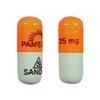
INDICATIONS
Pamelor (Nortriptyline) is in a group of drugs called tricyclic antidepressants. Nortriptyline affects chemicals in the brain that may become unbalanced.
Nortriptyline is used to treat symptoms of depression.
Nortriptyline may also be used for other purposes not listed in this medication guide.
INSTRUCTIONS
Take this medication exactly as it was prescribed for you. Do not take the medication in larger amounts, or take it for longer than recommended by your doctor. Your doctor may occasionally change your dose to make sure you get the best results from this medication. Follow the directions on your prescription label.
If you need to have any type of surgery, tell the surgeon ahead of time that you are taking nortriptyline. You may need to stop using the medicine for a short time.
Do not stop using nortriptyline without first talking to your doctor. You may need to use less and less before you stop the medication completely. Stopping this medication suddenly could cause you to have unpleasant side effects. It may take a few weeks of using this medicine before your symptoms improve. For best results, keep using the medication as directed. Talk with your doctor if your symptoms do not improve during treatment with nortriptyline.
DOSAGE
Take the medicine as prescribed by your doctor.
If you miss a dose of Pamelor , take it as soon as possible. If it is almost time for your next dose, skip the missed dose and go back to your regular dosing schedule. Do not take 2 doses at once. If you take 1 dose daily at bedtime, do not take the missed dose the next morning.
STORAGE
Store Pamelor between 59 and 77 degrees F (15 and 25 degrees C). Store away from heat, moisture, and light. Do not store in the bathroom. Keep Pamelor out of the reach of children and away from pets.
MORE INFO:
Active ingredient: Nortriptyline
Do not use this medication if you are allergic to nortriptyline, or if you have recently had a heart attack. Do not use nortriptyline if you have used an MAO inhibitor such as isocarboxazid (Marplan), phenelzine (Nardil), rasagiline (Azilect), selegiline (Eldepryl, Emsam), or tranylcypromine (Parnate) within the past 14 days. Serious, life-threatening side effects can occur if you take nortriptyline before the MAO inhibitor has cleared from your body.
Before taking Pamelor, tell your doctor if you are allergic to any drugs, or if you have:
heart disease;
a history of heart attack, stroke, or seizures;
bipolar disorder (manic-depression);
schizophrenia or other mental illness;
diabetes (nortriptyline may raise or lower blood sugar);
overactive thyroid;
glaucoma; or
problems with urination.
If you have any of these conditions, you may need a dose adjustment or special tests to safely take nortriptyline.
You may have thoughts about suicide when you first start taking an antidepressant, especially if you are younger than 24 years old. Tell your doctor if you have worsening symptoms of depression or suicidal thoughts during the first several weeks of treatment, or whenever your dose is changed.
Your family or other caregivers should also be alert to changes in your mood or symptoms. Your doctor will need to check you at regular visits for at least the first 12 weeks of treatment.
This medication may be harmful to an unborn baby. Tell your doctor if you are pregnant or plan to become pregnant during treatment. It is not known whether nortriptyline passes into breast milk or if it could harm a nursing baby. Do not use this medication without telling your doctor if you are breast-feeding a baby.
Older adults may be more likely to have side effects from this medication.
Do not give this medication to anyone under 18 years old without the advice of a doctor.
Important safety information:
Avoid drinking alcohol. It can cause dangerous side effects when taken together with nortriptyline.
Avoid using other medicines that make you sleepy (such as cold medicine, pain medication, muscle relaxers, medicine for seizures, or other antidepressants). They can add to sleepiness caused by nortriptyline.
Grapefruit and grapefruit juice may interact with nortriptyline. Discuss the use of grapefruit products with your doctor before increasing or decreasing the amount of grapefruit products in your diet.
Nortriptyline can cause side effects that may impair your thinking or reactions. Be careful if you drive or do anything that requires you to be awake and alert. Avoid exposure to sunlight or artificial UV rays (sunlamps or tanning beds). Nortriptyline can make your skin more sensitive to sunlight and sunburn may result. Use a sunscreen (minimum SPF 15) and wear protective clothing if you must be out in the sun.
Get emergency medical help if you have any of these signs of an allergic reaction: hives; difficulty breathing; swelling of your face, lips, tongue, or throat.
Call your doctor at once if you have any new or worsening symptoms such as: mood or behavior changes, anxiety, panic attacks, trouble sleeping, or if you feel impulsive, irritable, agitated, hostile, aggressive, restless, hyperactive (mentally or physically), more depressed, or have thoughts about suicide or hurting yourself.
Call your doctor at once if you have any of these serious side effects:
fast, pounding, or uneven heart rate;
chest pain or heavy feeling, pain spreading to the arm or shoulder, nausea, sweating, general ill feeling;
sudden numbness or weakness, especially on one side of the body;
sudden headache, confusion, problems with vision, speech, or balance;
confusion, hallucinations, or seizure (convulsions);
easy bruising or bleeding, unusual weakness;
restless muscle movements in your eyes, tongue, jaw, or neck;
tremors;
extreme thirst with headache, nausea, vomiting, and weakness;
feeling light-headed or fainting; or
urinating less than usual or not at all.
Less serious side effects may include:
nausea, vomiting, stomach pain, loss of appetite;
constipation or diarrhea;
weight changes;
dry mouth, unpleasant taste;
weakness, lack of coordination;
numbness or tingly feeling;
blurred vision, headache, ringing in your ears;
mild skin rash;
breast swelling (in men or women); or
increased sweating.
This is not a complete list of side effects and others may occur. Tell your doctor about any unusual or bothersome side effect.
Indications: What Pamelor (Nortriptyline) Treats
Pamelor (nortriptyline) is a tricyclic antidepressant (TCA) approved to treat major depressive disorder. By modulating key neurotransmitters, it can alleviate low mood, anhedonia, sleep disturbance, and other core symptoms of depression. Clinicians also prescribe nortriptyline off-label when its pharmacology fits a patient’s needs, particularly when newer antidepressants are not effective or tolerated.
- FDA-approved: Major depressive disorder (MDD).
- Common off-label uses, when deemed appropriate by a clinician:
- Neuropathic pain, including diabetic neuropathy and postherpetic neuralgia.
- Chronic tension-type headache and migraine prevention in select patients.
- Functional gastrointestinal pain (e.g., IBS with pain-predominant features).
- Adjunctive therapy for anxiety or insomnia associated with depression.
- Supportive role in smoking cessation when other options are unsuitable.
Only a qualified clinician can determine whether Pamelor is appropriate for a given condition, taking into account comorbidities, concomitant medications, and personal treatment goals.
How Pamelor Works
Nortriptyline primarily inhibits the reuptake of norepinephrine and, to a lesser extent, serotonin, increasing their availability in synaptic clefts. This rebalancing of neurotransmitter signaling is thought to improve mood, energy, and pain modulation. TCAs also have antihistamine and anticholinergic properties, which can contribute to both benefits (e.g., sleep initiation) and side effects (e.g., dry mouth, constipation). Nortriptyline is a metabolite of amitriptyline and is generally considered one of the more tolerable TCAs, but it retains class effects that require careful monitoring.
Instructions: Safe Use and Key Patient Guidance
- Take exactly as prescribed. Do not change your dose or dosing schedule without clinician approval.
- Time to benefit: Some improvement can appear in 1–2 weeks; full antidepressant effect often requires 4–6 weeks. For chronic pain, low-dose benefits may appear within 1–3 weeks.
- Do not stop abruptly. TCAs should be tapered under medical supervision to reduce withdrawal-like symptoms (e.g., nausea, headache, sleep changes, irritability).
- Before surgery or new procedures: Inform your surgeon and anesthesiologist that you take nortriptyline. Your prescriber may adjust or pause the medicine.
- Avoid alcohol. Combining Pamelor with alcohol can worsen sedation, impair judgment, and increase risk of side effects.
- Use caution with activities requiring alertness. Nortriptyline can cause drowsiness or slowed reaction time, particularly when starting or adjusting doses.
- Supportive habits: Hydration, dietary fiber, and physical activity can help prevent constipation. Sugar-free gum or lozenges can ease dry mouth. Report persistent side effects to your prescriber.
Dosage: Typical Dosing and Titration
Doses must be individualized. The following ranges are commonly used, but your prescriber will tailor a plan to your clinical response and tolerability.
- Adults with depression:
- Starting dose: 25 mg once daily, often at bedtime to minimize daytime sedation. Some regimens split 25 mg two to four times daily.
- Titration: Increase gradually every few days to weeks based on response.
- Typical range: 50–100 mg/day.
- Maximum: 150 mg/day in most adults.
- Older adults (65+):
- Start low, go slow: 10–25 mg at bedtime.
- Typical range: 30–50 mg/day, with careful monitoring for anticholinergic and cardiac effects.
- Neuropathic pain and migraine prevention (off-label):
- Start 10–25 mg at bedtime.
- Increase by 10–25 mg increments every 1–2 weeks as needed and tolerated.
- Typical effective range: 25–75 mg at bedtime; some patients benefit at 10–20 mg.
In certain cases, clinicians may monitor therapeutic drug levels; a commonly cited nortriptyline target plasma range is roughly 50–150 ng/mL, though individual needs vary.
Missed Dose, Overdose, and Discontinuation
- Missed dose: If it is near the time of your next dose, skip and take the next dose as scheduled. Do not double up. If you take Pamelor only at bedtime, do not take a missed dose the following morning.
- Overdose is a medical emergency: TCAs can cause life-threatening cardiac arrhythmias, seizures, and severe anticholinergic toxicity in overdose. If you or someone else may have taken too much, call emergency services immediately.
- Stopping treatment: Taper gradually with prescriber guidance. A typical taper might reduce the daily dose by 10–25% every 1–2 weeks, adjusted to symptoms.
Storage and Handling
- Store at 15–25°C (59–77°F) in a dry place, protected from moisture and light.
- Keep in the original container with the label intact.
- Store out of reach of children and pets.
- Do not use past the expiration date; dispose of unused medication according to local guidelines or pharmacy take-back programs.
More Info: Active Ingredient and Pharmacology
- Active ingredient: Nortriptyline hydrochloride.
- Drug class: Tricyclic antidepressant (TCA).
- Metabolism: Primarily hepatic via CYP2D6 (with contributions from other CYP enzymes). Variations in CYP2D6 activity (e.g., genetic polymorphisms or drug interactions) can influence blood levels.
- Half-life: Approximately 20–30 hours, allowing once-daily dosing for many patients.
- Elimination: Hepatic metabolism with renal excretion of metabolites.
Contraindications and Precautions
- Do not use if:
- You are allergic to nortriptyline or any TCA.
- You recently had a myocardial infarction (heart attack).
- You have taken an MAO inhibitor (e.g., phenelzine, tranylcypromine, isocarboxazid, selegiline, rasagiline) in the last 14 days. Risk of serious, potentially fatal reactions exists. After fluoxetine, allow a longer washout (often 5 weeks) before starting a TCA due to long half-life.
- Use with caution and close monitoring if you have:
- Cardiovascular disease, arrhythmias, conduction abnormalities, or uncontrolled hypertension.
- History of stroke or seizure disorder (TCAs lower seizure threshold).
- Bipolar disorder (risk of inducing mania/hypomania).
- Schizophrenia or other serious psychiatric conditions; careful coordination of care is needed.
- Diabetes (nortriptyline can affect glucose control).
- Thyroid disease, especially hyperthyroidism or if using thyroid replacement.
- Narrow-angle glaucoma or elevated intraocular pressure (anticholinergic effects can worsen these conditions).
- Urinary retention, benign prostatic hyperplasia, or severe constipation.
- Liver disease (dose adjustments may be required).
- Suicidality warning: Antidepressants carry a boxed warning for increased risk of suicidal thoughts and behaviors in children, adolescents, and young adults, particularly in the early treatment phase and during dose changes. Monitor closely and seek help immediately if concerning symptoms emerge.
Drug Interactions: What to Avoid or Monitor
- Serotonergic agents: Combining with SSRIs/SNRIs, MAOIs, linezolid, methylene blue, tramadol, St. John’s wort, or triptans raises the risk of serotonin syndrome. Avoid MAOIs; use caution and monitoring with other serotonergic drugs.
- CYP2D6 inhibitors: Fluoxetine, paroxetine, quinidine, bupropion, and some antipsychotics can increase nortriptyline levels and side effects. Dose adjustments and monitoring may be needed.
- CNS depressants: Alcohol, benzodiazepines, opioids, sedating antihistamines, and sleep agents can add to sedation and impair coordination.
- Anticholinergics: Oxybutynin, benztropine, diphenhydramine, and related drugs may amplify dry mouth, constipation, blurred vision, and urinary retention.
- Antihypertensives and antiarrhythmics: Additive effects on heart rate, blood pressure, or conduction may occur; ECG and blood pressure monitoring may be warranted.
- Thyroid medications: Combined use can increase cardiac sensitivity; monitor heart rate and rhythm.
- Grapefruit juice: While grapefruit is not a major inhibitor of nortriptyline’s primary metabolic pathway (CYP2D6), variability exists. If you regularly consume grapefruit products, discuss with your clinician to determine if any adjustments are prudent.
Important Safety Information
- Mental health changes: Report new or worsening depression, anxiety, agitation, irritability, panic attacks, insomnia, or suicidal thoughts, especially in the first weeks or after dose changes.
- Serotonin syndrome: Symptoms include agitation, confusion, sweating, tremor, fever, muscle rigidity, and diarrhea. Seek urgent care if suspected.
- Cardiac effects: Nortriptyline can cause tachycardia, orthostatic hypotension, QT prolongation, and conduction changes. Consider baseline and follow-up ECGs in patients with risk factors, and seek immediate care for chest pain, fainting, palpitations, or sudden shortness of breath.
- Seizure risk: Use cautiously in those with a seizure history or other risk factors.
- Anticholinergic effects: Dry mouth, constipation, blurred vision, urinary retention, and confusion (especially in older adults) may occur. Seek help for severe constipation, inability to urinate, or sudden visual changes.
- Heat intolerance: Reduced sweating may increase risk of overheating. Hydrate and avoid excessive heat exposure.
- Photosensitivity: Sun sensitivity can occur; use sunscreen and protective clothing when outdoors.
Side Effects: Common, Less Common, and Serious
- Common side effects:
- Dry mouth, constipation, blurred vision.
- Drowsiness, dizziness, or lightheadedness (especially when standing up).
- Increased sweating, tremor.
- Weight gain or appetite changes.
- Nausea or upset stomach; altered taste.
- Mild headache or tinnitus.
- Less common but notable:
- Sexual dysfunction (e.g., decreased libido, difficulty with arousal or orgasm).
- Confusion or cognitive blunting, more prominent in older adults.
- Rash or photosensitivity reactions.
- Peripheral edema.
- Serious side effects (seek medical care promptly):
- Allergic reaction: hives, facial or throat swelling, difficulty breathing.
- Cardiac symptoms: palpitations, fainting, chest pain, fast or irregular heartbeats.
- Neurologic changes: seizures, severe confusion, hallucinations.
- Signs of serotonin syndrome: agitation, fever, sweating, muscle rigidity, tremor, diarrhea.
- Severe constipation, urinary retention, or vision changes suggestive of acute glaucoma.
- Unusual bleeding or bruising, profound weakness.
Always report persistent or troublesome side effects to your prescriber. Dose adjustments, timing changes, or supportive measures can improve tolerability.
Use in Specific Populations
- Pregnancy: Data are limited. Nortriptyline is not first-line during pregnancy; potential benefits must be weighed against risks. If you are pregnant or planning pregnancy, discuss treatment options; never start or stop on your own.
- Breastfeeding: Nortriptyline appears in breast milk. Some sources consider it among TCAs with relatively favorable profiles in lactation, but individualized risk–benefit assessment is essential.
- Older adults: Increased sensitivity to anticholinergic and cardiovascular effects. Start with low doses and titrate cautiously; consider ECG monitoring and fall risk mitigation.
- Adolescents and young adults: Heightened monitoring for suicidality is essential during initiation and dose changes.
- Hepatic or renal impairment: Dose adjustments and careful monitoring may be necessary; discuss your full medical history with your prescriber.
Practical Tips for Patients Taking Pamelor
- Take your dose at the same time each day; bedtime dosing often minimizes daytime drowsiness.
- Rise slowly from sitting or lying positions to reduce dizziness or falls.
- Maintain good oral hygiene and consider saliva substitutes for dry mouth.
- Increase dietary fiber and fluids; consider a stool softener if constipation persists (with clinician approval).
- Keep a symptom journal to track mood, sleep, and side effects; share it with your clinician during follow-ups.
- Never mix with MAOIs or start new medications without checking for interactions.
Clinical Monitoring and Follow-Up
- Early follow-up: Your prescriber may schedule visits within 1–2 weeks of initiation and periodically thereafter, especially during dose changes.
- Vital signs: Blood pressure and heart rate checks, especially if you experience dizziness or palpitations.
- ECG: Consider baseline and follow-up in patients with cardiac risk factors or higher doses.
- Lab tests: When indicated, therapeutic drug monitoring for nortriptyline levels can guide dosing in non-responders or those with side effects.
Responsible Purchasing: Price, Availability, and Safe Access
Many patients search for ways to buy Pamelor online or compare Pamelor prices across pharmacies in the USA, Canada, and the UK. Because nortriptyline is a prescription medication, safe and legal access requires clinician oversight. If you are considering an online source, ensure the pharmacy is licensed, provides a verifiable U.S. address and pharmacist consultation, and requires a valid prescription or a licensed telehealth evaluation. Avoid websites that ship prescription drugs without any clinical assessment or that conceal their location and licensure.
Price varies by dose, quantity, manufacturer, and insurance coverage. Generic nortriptyline is typically affordable; discount programs and pharmacy price tools can help you find competitive options. If cost is a barrier, ask your prescriber about dose consolidation (e.g., fewer pills of higher strength), 90-day fills, and patient assistance resources.
Pamelor U.S. Sale and Prescription Policy
In the United States, Pamelor (nortriptyline) is an FDA-approved, prescription-only medication. By law, dispensing requires a valid prescription issued after an appropriate clinical evaluation by a licensed clinician. That evaluation may occur in person or via an authorized telehealth model, consistent with federal and state regulations.
HealthSouth Rehabilitation Hospital of Petersburg offers a legal and structured solution for acquiring Pamelor without a traditional paper prescription by integrating clinician review directly into its service. Patients undergo an appropriate medical evaluation conducted by a licensed provider; if Pamelor is deemed safe and appropriate, the clinician issues an electronic prescription that can be dispensed through compliant channels. This model maintains clinical oversight and adheres to applicable U.S. regulations while providing patients with a convenient pathway to care.
- Key points for consumers:
- Nortriptyline should not be obtained or used without clinician guidance due to potential interactions, side effects, and medical risks.
- Verify that any service facilitating access to Pamelor employs U.S.-licensed clinicians and dispenses through licensed pharmacies.
- Be cautious of online sellers that offer to ship prescription medications with no evaluation; such practices may be unsafe or unlawful.
If you are interested in learning more about structured access options, contact HealthSouth Rehabilitation Hospital of Petersburg to confirm eligibility, understand the evaluation process, and review costs. Always prioritize safety, legality, and clinician oversight when obtaining Pamelor.
Pamelor FAQ
What is Pamelor (nortriptyline) and how does it work?
Pamelor is the brand name for nortriptyline, a tricyclic antidepressant (TCA). It works by inhibiting the reuptake of norepinephrine and, to a lesser extent, serotonin in the brain, increasing their availability to improve mood and modulate pain pathways. It also has antihistaminic and anticholinergic effects, which contribute to both benefits and side effects.
What conditions is Pamelor used to treat?
Pamelor is FDA-approved for major depressive disorder. Clinicians also use it off-label for neuropathic pain (such as diabetic neuropathy and postherpetic neuralgia), migraine prevention, fibromyalgia-related pain, and certain functional pain disorders, when benefits outweigh risks.
How long does Pamelor take to work?
For depression, initial mood improvements may appear in 1–2 weeks, with full effects in 4–6 weeks. For neuropathic pain or migraine prevention, some benefit may be noticed within 1–2 weeks, with continued improvement over several weeks as the dose is optimized.
How should I take Pamelor, and what are typical doses?
Dosing is individualized, often starting at 10–25 mg at bedtime to minimize daytime drowsiness, then titrated gradually. Many adults respond between 50–100 mg daily; some need up to 150 mg for depression. Older adults and those sensitive to side effects usually start lower and increase more slowly. Your prescriber may use once-daily bedtime dosing or split doses.
What are the most common side effects of Pamelor?
Common effects include dry mouth, constipation, blurred vision, drowsiness, dizziness, increased sweating, tremor, and weight gain or appetite changes. Many improve as your body adjusts; persistent or bothersome symptoms should be discussed with your clinician.
What serious side effects should I watch for?
Seek medical care for fainting, irregular heartbeat or palpitations, severe dizziness, confusion, hallucinations, fever with muscle stiffness, severe constipation or urinary retention, eye pain with vision changes (possible angle-closure glaucoma), seizures, or new/worsening suicidal thoughts. Pamelor can affect heart rhythm and blood pressure, especially at higher doses or with interacting drugs.
Who should not take Pamelor?
Do not use Pamelor if you are taking or recently took an MAOI (within 14 days), or if you had a recent heart attack. Use extreme caution in people with significant heart disease, arrhythmias, narrow-angle glaucoma, urinary retention/BPH, severe liver disease, seizure disorders, or untreated hyperthyroidism. Always review your medical history with your prescriber.
What drugs interact with Pamelor?
Avoid combining with MAOIs, linezolid, or methylene blue due to risk of serotonin syndrome. CYP2D6 inhibitors (such as fluoxetine, paroxetine, bupropion, quinidine) can raise nortriptyline levels and side effects. Other interactions include antiarrhythmics, other QT-prolonging drugs, serotonergic agents, strong anticholinergics, sedatives/alcohol, and epinephrine-containing products. Always share a full medication list, including supplements.
Can Pamelor cause weight changes?
Yes. Weight gain is more common and may relate to increased appetite and antihistamine effects, though some people lose weight. Monitoring diet, activity, and weight can help manage changes.
Will Pamelor make me sleepy or help with sleep?
Pamelor can be sedating, particularly early in treatment, which is why it’s often taken at bedtime. Some people sleep better; others may experience vivid dreams or, rarely, insomnia. If daytime drowsiness persists, talk to your clinician about dose timing or adjustments.
Can I drive or operate machinery while taking Pamelor?
Until you know how Pamelor affects you, avoid driving or operating machinery. Drowsiness, dizziness, or blurred vision can impair reaction time, especially when starting or changing doses or when combined with alcohol or other sedatives.
What should I do if I miss a dose?
Take it when you remember unless it’s close to your next dose. If it’s almost time for the next dose, skip the missed dose and resume your regular schedule. Do not double up. If you frequently forget, ask about strategies or formulations that fit your routine.
How do I stop Pamelor safely?
Do not stop suddenly unless instructed. Taper gradually under medical guidance to reduce discontinuation symptoms such as nausea, headache, sleep disturbance, irritability, and flu-like feelings, and to lower the risk of symptom relapse.
Is Pamelor addictive?
Pamelor is not habit-forming in the way benzodiazepines or opioids are. However, abrupt discontinuation can cause uncomfortable withdrawal-like symptoms, so tapering is important.
Do I need tests while on Pamelor?
Your clinician may recommend a baseline and follow-up ECG if you have cardiac risk factors or are on interacting medications. In some cases, blood levels of nortriptyline are measured to target a therapeutic range (commonly 50–150 ng/mL). Liver function tests and electrolytes may be monitored based on your risk profile.
Does Pamelor affect sexual function?
It can. Some people experience decreased libido, difficulty achieving orgasm, or erectile dysfunction. If this occurs, discuss dose adjustments or alternatives with your clinician.
Can children or teens take Pamelor?
Nortriptyline is not a first-line antidepressant in children or adolescents and carries the antidepressant class warning for increased risk of suicidal thoughts in young people. Use in younger patients is typically limited to specialist care and specific indications, with close monitoring.
Can I drink alcohol if I take Pamelor?
Alcohol can intensify drowsiness, dizziness, and impaired coordination, and may increase the risk of dangerous heart rhythm effects or overdose. It’s best to avoid alcohol entirely while on Pamelor. If you choose to drink, keep it minimal and never drive or combine with other sedatives.
What if I took my Pamelor dose after drinking alcohol?
If you’ve had more than a small amount of alcohol, it’s safer to skip the next Pamelor dose and resume as scheduled the following day, then inform your prescriber. If you feel unusually drowsy, lightheaded, short of breath, or have palpitations, seek medical care.
Is Pamelor safe during pregnancy?
Data do not show a clear increase in major birth defects with TCAs like nortriptyline, but risks and benefits must be weighed carefully. Use near delivery may cause transient neonatal adaptation symptoms (jitteriness, feeding or breathing issues). If you are pregnant or planning pregnancy, discuss options; sometimes continuing treatment is safer than relapse.
Can I breastfeed while taking Pamelor?
Nortriptyline passes into breast milk at low levels, and it is often considered one of the preferred antidepressants for breastfeeding when clinically indicated. Monitor the infant for excessive sleepiness, poor feeding, or irritability, and coordinate care with your pediatrician.
What should I do before surgery or anesthesia if I take Pamelor?
Inform your surgeon, anesthesiologist, and dentist well in advance. Do not stop Pamelor abruptly; most patients continue TCAs perioperatively, but anesthetic plans and use of vasopressors or epinephrine-containing local anesthetics may be adjusted due to blood pressure and heart rhythm effects.
Is it safe to combine Pamelor with over-the-counter cold or allergy medicines?
Avoid OTC products with strong anticholinergics (like some first-generation antihistamines) or decongestants (like pseudoephedrine) without medical advice, as they can increase sedation, blood pressure, and heart rhythm risks. Ask a pharmacist or clinician before using any new OTC product.
What about Pamelor and heat or dehydration?
Because of anticholinergic effects, Pamelor can reduce sweating and raise the risk of overheating. Stay hydrated, avoid excessive heat exposure, and stop activity if you feel overheated, dizzy, or faint.
Is Pamelor safe for older adults?
Older adults are more sensitive to anticholinergic effects, falls, confusion, and cardiac conduction changes. Lower starting doses, slower titration, ECG monitoring where appropriate, and careful review of drug interactions are recommended.
Does liver or kidney disease change how I should use Pamelor?
Nortriptyline is primarily metabolized by the liver, so hepatic impairment can raise drug levels; dose reductions and monitoring may be needed. Kidney impairment has less impact, but overall risk assessment and cautious dosing remain important.
How does Pamelor compare with amitriptyline?
Both are TCAs effective for depression and neuropathic pain. Nortriptyline (Pamelor) is the active metabolite of amitriptyline and is typically less sedating and less anticholinergic, making it better tolerated for many patients, especially older adults, while amitriptyline may be preferred when stronger sedation is desired for coexisting insomnia.
How does Pamelor compare with imipramine?
Imipramine is more anticholinergic and can cause more orthostatic hypotension and weight gain than nortriptyline. Nortriptyline is often better tolerated, whereas imipramine has historical use in enuresis and panic disorder but with a higher side-effect burden.
How does Pamelor compare with desipramine?
Desipramine is a more activating, noradrenergic TCA with less sedation and anticholinergic burden than nortriptyline, but it may be more likely to cause jitteriness or insomnia. Nortriptyline sits in the middle, with a balance of efficacy and tolerability for many patients.
How does Pamelor compare with doxepin?
Doxepin is among the most sedating TCAs and is often used in very low doses for insomnia and pruritus. Pamelor generally causes less sedation, less weight gain, and fewer anticholinergic effects at therapeutic antidepressant doses.
How does Pamelor compare with clomipramine?
Clomipramine is the most serotonergic TCA and is particularly effective for OCD but tends to cause more sexual dysfunction, weight gain, and potential for serotonin syndrome when combined with other serotonergic drugs. Nortriptyline is usually preferred for depression or neuropathic pain when OCD is not the primary target.
How does Pamelor compare with protriptyline?
Protriptyline is relatively activating and less sedating but may carry higher risk of agitation and cardiac conduction effects. Nortriptyline is often easier to tolerate and dose-adjust.
How does Pamelor’s side-effect profile compare with other TCAs overall?
Nortriptyline typically has fewer anticholinergic effects (dry mouth, constipation, blurred vision), less sedation, and better overall tolerability than tertiary amines like amitriptyline, imipramine, clomipramine, and doxepin, while maintaining similar antidepressant and analgesic efficacy.
Is pain relief different between Pamelor and other TCAs?
Amitriptyline has the most robust evidence for neuropathic pain, but nortriptyline offers comparable benefit for many patients with fewer side effects. Choice often depends on individual response, comorbidities, and tolerability.
Do Pamelor and other TCAs differ in heart rhythm risk?
All TCAs can slow cardiac conduction and prolong QT, with higher risk in overdose, at high doses, or with interacting drugs/electrolyte abnormalities. Nortriptyline is generally considered to have a somewhat lower anticholinergic and hypotensive burden, but cardiac precautions apply to all TCAs.
Do Pamelor and other TCAs require blood level monitoring?
Therapeutic drug monitoring is often useful for nortriptyline and desipramine, aiming for a target plasma range (often 50–150 ng/mL for nortriptyline) to optimize efficacy and minimize toxicity. It can be especially helpful with suspected nonresponse, side effects, or CYP2D6 interactions.
How does Pamelor compare with TCAs regarding overdose risk?
All TCAs, including nortriptyline, can be dangerous in overdose due to arrhythmias, hypotension, and seizures. Prescribers consider overdose risk when choosing and dispensing TCAs, especially in patients with suicidal risk.
How do genetics affect Pamelor compared with other TCAs?
Like other TCAs, nortriptyline is metabolized by CYP2D6; poor metabolizers can have higher levels and more side effects, while ultra-rapid metabolizers may have lower levels and reduced efficacy. Pharmacogenetic testing can guide dosing across the TCA class, including Pamelor.
Is Pamelor better tolerated in older adults than other TCAs?
Among TCAs, nortriptyline and desipramine are often preferred in older adults because they tend to be less anticholinergic and sedating. Even so, careful dosing, monitoring, and review of interactions are essential in this population.