last update: November 14, 2025
BUY REMERON NOW!
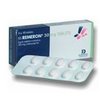
INDICATIONS: What Remeron (Mirtazapine) Is Used For
Remeron (generic name: mirtazapine) is an antidepressant indicated for the treatment of major depressive disorder (MDD) in adults. It belongs to a class sometimes referred to as tetracyclic antidepressants or NaSSA (noradrenergic and specific serotonergic antidepressants). Clinically, people commonly start Remeron when depression is accompanied by symptoms such as poor sleep, low appetite, unintended weight loss, low energy, and anxiety, because mirtazapine often improves sleep and appetite while lifting mood.
How it is thought to work: Remeron increases signaling of norepinephrine and serotonin by blocking central presynaptic alpha-2 adrenergic autoreceptors and heteroreceptors. It also antagonizes 5-HT2 and 5-HT3 serotonin receptors and strongly blocks histamine H1 receptors, which contributes to its sedating and appetite-stimulating effects. This unique receptor profile differentiates it from SSRIs and SNRIs.
Off-label, clinicians sometimes consider mirtazapine for conditions such as generalized anxiety disorder, social anxiety disorder, post-traumatic stress disorder, sleep disturbance/insomnia in the context of depression, and appetite stimulation in selected cases. These uses require individualized medical judgment, and the approved indication remains major depressive disorder.
MORE INFO: Active Ingredient and Formulations
Active Ingredient: Mirtazapine.
- Brand names: Remeron (tablets), Remeron SolTab (orally disintegrating tablets/ODT).
- Typical strengths: 7.5 mg, 15 mg, 30 mg, 45 mg tablets and ODT.
- ODT notes: Remeron SolTab dissolves on the tongue without water and should be kept in the blister until use to protect from moisture.
INSTRUCTIONS: How to Take Remeron Safely
Use Remeron exactly as prescribed by your clinician. Do not change your dose or stop taking it without medical guidance.
- Timing: Because mirtazapine can cause drowsiness, it is usually taken in the evening before bedtime.
- With or without food: You can take Remeron with or without food. Be consistent with your routine.
- Expected onset: Some improvement in sleep or appetite may occur in the first week. Mood, motivation, and energy typically improve over 1 to 4 weeks, with full benefit sometimes taking 6 to 8 weeks.
- Adherence: Continue taking Remeron even if you feel better, unless your prescriber advises a dose change or taper. Antidepressants work best when taken consistently.
- Missed dose: If you miss a dose, take it as soon as you remember unless it is close to the time for your next dose. If it is almost time for your next dose, skip the missed dose and resume your regular schedule. Do not take two doses at once.
Common starting and target doses:
- Typical starting dose: 15 mg at bedtime.
- Titration: May increase to 30 mg and then 45 mg at bedtime as clinically indicated. Dose adjustments are usually made every 1 to 2 weeks based on response and tolerability.
- Older adults or people with liver/kidney impairment: Often start lower and titrate more cautiously. Your prescriber will individualize the plan.
Do NOT use Remeron if:
- You are allergic to mirtazapine or any component of the formulation.
- You are taking or have recently taken monoamine oxidase inhibitors (MAOIs), including linezolid or intravenous methylene blue. Do not use mirtazapine within 14 days of stopping an MAOI, and do not start an MAOI within 14 days of stopping mirtazapine.
- You are taking furazolidone (an MAOI-like antibacterial, rarely used in the U.S.).
Consult your clinician immediately if any of these apply to you.
Medical Conditions and Factors to Discuss Before Starting
Provide your healthcare professional with a full medical and medication history. This helps tailor dosing and monitoring.
- Psychiatric history: Bipolar disorder, manic episodes, or a family history of bipolar disorder. Antidepressants can precipitate mania or hypomania in susceptible individuals, so screening is important.
- Suicide risk: Past attempts, self-harm, or emerging suicidal thoughts. Close monitoring is essential when initiating or changing antidepressants.
- Medical conditions: Liver or kidney disease, seizure disorders, glaucoma, urinary retention, diabetes or prediabetes, high cholesterol or triglycerides, obesity or underweight status, sleep apnea.
- Blood disorders: History of low white blood cell count or susceptibility to infections.
- Pregnancy or planning pregnancy, and breastfeeding considerations.
- Substances: Alcohol consumption, cannabis, or use of sedative medications (benzodiazepines, opioids) that can amplify drowsiness.
- All medications and supplements: Include over-the-counter products and herbal remedies such as St. John’s wort.
Drug Interactions: Medicines That May Interact with Remeron
Some medicines can increase side effects or reduce the effectiveness of mirtazapine. Always check with your prescriber or pharmacist before starting, stopping, or changing doses.
- MAOIs (e.g., phenelzine, tranylcypromine, selegiline): Contraindicated due to risk of serious reactions. Maintain a 14-day washout period.
- Fluvoxamine: Can substantially raise mirtazapine levels, increasing sedation and other side effects.
- Carbamazepine and phenytoin (hydantoins): Can lower mirtazapine blood levels and effectiveness by inducing hepatic metabolism.
- Cimetidine and certain other CYP inhibitors: May increase mirtazapine levels.
- Clonidine: Pharmacodynamic interaction may blunt clonidine’s effects; caution is advised.
- Alcohol, benzodiazepines, opioids, antihistamines, and other CNS depressants: Additive sedation and impairment.
- Serotonergic agents (e.g., linezolid, methylene blue IV, some migraine triptans, tramadol, certain SSRIs/SNRIs in combination): Although mirtazapine’s primary mechanism is not serotonin reuptake inhibition, combining multiple serotonergic agents may increase risk of serotonin toxicity; monitor closely if combinations are medically indicated.
- Warfarin and other anticoagulants: Limited direct interaction, but always check INR as clinically indicated when adding or stopping medications.
This is not a complete list. If in doubt, ask your pharmacist or prescriber to review all your medications and supplements for interactions.
Important Safety Information and Monitoring
- Suicidality warning: Antidepressants can increase the risk of suicidal thoughts and behaviors in children, adolescents, and young adults, especially in the first few months of treatment or after dose changes. Monitor closely for new or worsening mood changes, anxiety, agitation, irritability, insomnia, or impulsivity. Seek immediate help for suicidal thoughts or self-harm behaviors.
- Drowsiness and dizziness: Mirtazapine commonly causes sedation, especially at lower doses. Avoid driving, operating machinery, or other risky activities until you know how you respond. Alcohol intensifies this effect and should be avoided.
- Weight gain and metabolic changes: Increased appetite and weight gain are common. Your clinician may monitor weight, BMI, fasting lipids, and glucose/A1c over time, particularly if you have cardiometabolic risk factors. Nutritional counseling and regular physical activity can help mitigate weight changes.
- Blood cell effects: Rarely, mirtazapine can lower white blood cell counts (agranulocytosis or neutropenia). Contact your clinician immediately if you develop fever, sore throat, mouth ulcers, or signs of infection. A complete blood count (CBC) may be ordered if symptoms occur.
- Serotonin syndrome: Though uncommon with mirtazapine alone, combining multiple serotonergic agents may lead to serotonin toxicity. Symptoms include agitation, confusion, sweating, fever, muscle stiffness, tremor, diarrhea, and rapid heart rate. Seek urgent care if these occur.
- Mania/hypomania: In people with bipolar disorder or vulnerability, antidepressants can trigger manic symptoms (elevated mood, decreased need for sleep, racing thoughts). Report any such changes promptly.
- Hyponatremia/SIADH: Especially in older adults or those on diuretics. Report confusion, headache, weakness, or unsteadiness. Blood sodium can be checked if symptoms appear.
- QT prolongation: Rare cases reported. Use caution if you have congenital long QT syndrome, electrolyte abnormalities, or are taking other QT-prolonging drugs.
- Liver and kidney function: Baseline or periodic monitoring may be advisable if you have pre-existing hepatic or renal impairment.
- Angle-closure glaucoma risk: Mirtazapine can dilate pupils and may precipitate angle-closure glaucoma in susceptible individuals. Seek urgent care for eye pain, vision changes, or swelling/redness around the eye.
Side Effects: What to Expect and When to Seek Help
Most people tolerate mirtazapine well, and many side effects are mild and transient. Common effects often lessen as your body adjusts.
Common side effects:
- Drowsiness, sedation, fatigue, or dizziness.
- Dry mouth, constipation.
- Increased appetite, weight gain.
- Abnormal dreams or vivid dreaming.
- Flu-like symptoms or mild gastrointestinal discomfort.
Serious side effects (seek medical attention promptly):
- Allergic reactions: Rash, hives, itching, swelling of face/lips/tongue, difficulty breathing.
- Low white blood cell count: Fever, chills, sore throat, mouth sores, new or worsening infections.
- Severe mood changes: Worsening depression, agitation, panic attacks, thoughts of self-harm.
- Serotonin syndrome: Agitation, confusion, fever, sweating, tremor, muscle rigidity, diarrhea, fast heartbeat.
- Severe skin reactions: Worsening rash with blisters or mucosal involvement; seek urgent care.
- Seizures, fainting, or heart rhythm changes (palpitations, dizziness, syncope).
Report persistent or bothersome side effects to your prescriber. Adjustments such as dose timing, dose changes, or supportive measures (e.g., saliva substitutes for dry mouth, fiber and hydration for constipation) can help.
STORAGE: How to Store Remeron
- Store at room temperature between 68 and 77°F (20 to 25°C).
- Protect from moisture, heat, and light. Do not store in bathrooms.
- Keep out of reach of children and pets.
- For ODT (SolTab): Do not open the blister until ready to use. With dry hands, peel back the foil, place the tablet on the tongue, and allow it to dissolve. Do not push the tablet through the foil.
Pregnancy, Breastfeeding, and Family Planning
- Pregnancy: Data for mirtazapine in pregnancy are limited. Some people continue antidepressants during pregnancy when the benefits outweigh potential risks, as untreated depression carries significant risks for both parent and fetus. Discuss family planning with your clinician before conception when possible.
- Breastfeeding: Mirtazapine appears in breast milk at low levels. Monitor infants for sedation, poor feeding, or irritability. Decisions about breastfeeding while on antidepressants are individualized in consultation with pediatric and obstetric providers.
- Contraception and planning: If you plan to become pregnant or discover you are pregnant, do not stop mirtazapine abruptly. Contact your prescriber promptly to discuss options.
Special Populations and Practical Considerations
- Older adults: More sensitive to sedation, dizziness, and hyponatremia. Lower starting doses and slower titration are common.
- Liver or kidney impairment: Dose adjustments may be necessary. Periodic function tests and clinical monitoring are advised.
- Adolescents and young adults: Increased vigilance for suicidality when starting or changing dose. Behavioral changes should be reported promptly.
- Sleep apnea or respiratory conditions: Sedation may worsen underlying conditions; discuss with your clinician.
- Diabetes and metabolic syndrome: Monitor weight, lipids, and glucose. Lifestyle interventions can reduce cardiometabolic risk.
Discontinuation: Tapering and Withdrawal Considerations
Do not stop mirtazapine suddenly without medical guidance. Although many people experience minimal discontinuation symptoms, abrupt cessation can lead to insomnia, irritability, anxiety, nausea, dizziness, flu-like symptoms, or a return of depressive symptoms. Your prescriber can create a gradual taper plan to minimize discomfort and monitor for relapse.
Daily-Life Tips to Improve Outcomes
- Set a consistent bedtime and dose schedule to align with mirtazapine’s sedating effect.
- Support weight management with balanced nutrition, mindful portion sizes, and regular physical activity. Consider meeting with a dietitian if weight gain becomes challenging.
- Limit or avoid alcohol and other sedatives to reduce excessive drowsiness and risk of falls.
- Maintain open communication with your care team. Share progress, side effects, and goals at follow-up appointments.
- Consider psychotherapy (e.g., cognitive behavioral therapy) alongside medication for better long-term outcomes in depression.
- Track your symptoms weekly to notice early improvements and identify any emerging issues.
Overdose and Emergencies
Mirtazapine overdose most often causes sedation, disorientation, increased heart rate, and in severe cases changes in blood pressure or heart rhythm. Mixed overdoses with alcohol, benzodiazepines, opioids, or other psychotropics increase risk.
- If an overdose is suspected, call emergency services or Poison Control (in the U.S., 1-800-222-1222) immediately.
- Do not induce vomiting unless specifically instructed by a medical professional.
- Keep medications in child-resistant containers and out of sight to prevent accidental ingestion.
Common Questions Patients Ask Their Clinicians
- How long should I take Remeron? Treatment length varies. Many people continue therapy for at least 6 to 12 months after recovery from a first depressive episode to prevent relapse. Those with recurrent depression may benefit from longer maintenance. Decisions are individualized.
- What if I feel more tired on a higher dose? Paradoxically, some people find higher doses (e.g., 30–45 mg) less sedating than 15 mg due to receptor dynamics. Your prescriber can adjust dosing to balance mood benefit and sleepiness.
- Can I use Remeron mainly for sleep? Mirtazapine is approved for depression. Its sedating effects may improve sleep in depressed patients, but using it solely as a sleep aid without depression is an off-label decision that requires careful discussion of risks and benefits.
Responsible Use: Summary Points
- Indication: Major depressive disorder in adults; off-label uses are clinician-directed.
- Mechanism: Increases norepinephrine and serotonin signaling; antagonizes 5-HT2/5-HT3; strong H1 blockade.
- Benefits: Improved mood, sleep, appetite; potential reductions in anxiety and agitation.
- Risks: Sedation, weight gain, rare blood dyscrasias, suicidality risk in younger populations, interaction potential.
- Monitoring: Mood, side effects, weight, and metabolic parameters as appropriate; vigilance for infection signs.
INSTRUCTIONS (Quick Reference)
- Take once nightly, with or without food.
- Do not double doses; resume normal schedule if you miss one.
- Avoid alcohol and use caution with sedatives.
- Allow 1 to 4 weeks for meaningful improvement; continue as directed even if you start to feel better.
- Never start or stop interacting medications without checking with your clinician or pharmacist.
STORAGE (Quick Reference)
- Room temperature: 68–77°F (20–25°C).
- Protect from heat, moisture, and light; keep in original packaging.
- Keep out of reach of children and pets.
Remeron U.S. Sale and Prescription Policy
In the United States, mirtazapine (Remeron) is a prescription-only medication. By law, pharmacies must dispense it pursuant to a valid prescription from a licensed prescriber. Purchasing prescription medicines from sources that do not require a prescription, or importing them without proper authorization, can be unsafe and may violate federal and state regulations. For your safety and to remain compliant with U.S. law, use only licensed pharmacies and services that verify prescriptions.
If you prefer online care, legitimate telehealth services connect you with a licensed clinician who can evaluate your symptoms, review your history and medications, and, when clinically appropriate, issue an electronic prescription that your chosen pharmacy can dispense. When considering an online pharmacy, look for credentials such as NABP’s .pharmacy verified domain or listings in state boards of pharmacy to confirm legitimacy.
HealthSouth Rehabilitation Hospital of Petersburg offers a legal and structured solution for accessing Remeron through compliant channels. Patients can be connected with licensed healthcare professionals for proper evaluation and, if appropriate, an authorized prescription is issued and filled through legitimate pharmacy partners. This approach maintains safety, quality, and full regulatory compliance without requiring an in-person paper prescription, while ensuring you still receive care that meets U.S. standards.
Key reminders for U.S. consumers:
- A valid prescription from a licensed clinician is required to dispense Remeron.
- Avoid websites that advertise “no prescription needed” or prices that appear too good to be true.
- Verify pharmacy licensure and look for trusted seals or state board listings.
- Telehealth can provide convenient, lawful access with appropriate clinical oversight and e-prescribing.
Remeron FAQ
What is Remeron and how does it work?
Remeron (mirtazapine) is an antidepressant that enhances norepinephrine and serotonin activity by blocking central alpha-2 receptors and selectively antagonizing certain serotonin receptors (5-HT2, 5-HT3). It also blocks histamine H1 receptors, which contributes to its calming and sleep-promoting effects.
What conditions is Remeron used to treat?
It is approved for major depressive disorder and is commonly used off-label for anxiety disorders, insomnia related to depression, appetite stimulation in underweight patients, and certain cases of PTSD. Your clinician will tailor use based on your symptoms and health profile.
How long does Remeron take to start working?
Sleep and appetite often improve within the first week. Mood, energy, and anxiety symptoms usually start to improve in 2–4 weeks, with full benefits sometimes taking 6–8 weeks or longer.
When and how should I take Remeron?
It’s typically taken once daily at bedtime due to sedation. Many adults start at 15 mg nightly, with a usual range of 15–45 mg; dosing is individualized, so follow your prescriber’s instructions.
Is it true lower doses of Remeron are more sedating?
Yes. Sedation is often greater at lower doses (for example 7.5–15 mg) due to stronger relative antihistamine effects, while higher doses can feel a bit more activating for some people.
What are the most common side effects?
Sleepiness, increased appetite, weight gain, dry mouth, constipation, and dizziness are common. Most are dose-related and may improve over time or with simple strategies like hydration, fiber, and activity.
What serious side effects should I watch for?
Seek urgent care for signs of infection like fever, sore throat, or mouth sores (rare neutropenia), severe restlessness or agitation, suicidal thoughts (especially in younger patients), or symptoms of serotonin syndrome such as tremor, sweating, confusion, and rapid heart rate.
Does Remeron cause weight gain?
Weight gain is common due to increased appetite and changes in metabolism. Planning balanced meals, prioritizing protein and fiber, regular activity, and monitoring weight from the start can help manage this effect.
Can Remeron help me sleep?
Yes. Its antihistamine effect can improve sleep onset and continuity, especially at lower doses. It’s often chosen when depression coexists with insomnia.
Does Remeron cause sexual side effects?
Compared with many SSRIs and SNRIs, Remeron tends to have fewer sexual side effects, though decreased libido or difficulties can still occur. If this happens, discuss dose adjustment or alternatives with your clinician.
What happens if I miss a dose?
Take it as soon as you remember unless it’s close to the time for your next dose; if so, skip the missed dose and resume your schedule. Do not double up.
How long should I stay on Remeron?
For a first episode of depression, many clinicians recommend staying on treatment for at least 6–12 months after you feel better to reduce relapse risk. People with recurrent depression may need longer maintenance; decide with your prescriber.
Can I stop Remeron suddenly?
It’s best to taper gradually to reduce discontinuation symptoms like nausea, dizziness, irritability, and sleep changes. Your clinician can design a safe taper schedule.
What medicines or supplements interact with Remeron?
Avoid MAOIs and linezolid/methylene blue due to serotonin syndrome risk. Use caution with benzodiazepines, opioids, alcohol, and other sedatives; tramadol and St. John’s wort raise serotonin and seizure risks; mirtazapine can blunt clonidine’s blood pressure effects.
Can I take Remeron after drinking alcohol?
Alcohol can significantly increase Remeron’s sedation and impair coordination and judgment. It’s safest to avoid alcohol or keep intake minimal and well separated from dosing; never mix if you plan to drive or need to be alert.
Is Remeron safe during pregnancy?
Data are limited but generally reassuring; Remeron may be considered when benefits outweigh risks, especially if untreated depression is severe. Decisions are individualized—discuss family planning and timing with your obstetric and mental health clinicians.
Can I take Remeron while breastfeeding?
Small amounts pass into breast milk and most reported infant outcomes are benign, though monitoring for sedation, feeding difficulty, or poor weight gain is prudent. Coordinate with your pediatrician and prescriber.
Should I stop Remeron before surgery or anesthesia?
Most patients continue Remeron through surgery to avoid relapse or withdrawal. Tell your surgical and anesthesia team you take it, as it can add to sedation; they may adjust anesthetic plans accordingly.
Can I drive or operate machinery after taking Remeron?
Until you know how it affects you, avoid driving or hazardous tasks, especially within several hours of a dose. Persistent daytime grogginess may improve with timing or dose adjustments.
What if I have liver or kidney disease?
Remeron is metabolized in the liver and excreted by the kidneys; dose adjustments may be needed. Your clinician may start low, titrate slowly, and monitor labs and side effects.
Is it safe to combine Remeron with benzodiazepines or opioids?
Combining CNS depressants increases risks of excessive sedation, slowed breathing, falls, and confusion. If co-prescribed, use the lowest effective doses, avoid alcohol, and be closely monitored.
Can Remeron trigger mania if I have bipolar disorder?
Antidepressants can precipitate mania or rapid cycling in bipolar disorder. Screening for bipolar spectrum and considering mood stabilizers are important before starting treatment.
How does Remeron compare with SSRIs for depression?
Efficacy is broadly similar, but Remeron tends to be more sedating and more likely to increase appetite and weight, with fewer sexual side effects and less nausea. SSRIs are usually less sedating but can cause more GI and sexual effects.
Remeron vs sertraline: which is better?
Sertraline is often first-line for its tolerability and broad evidence; it’s less sedating and weight-promoting than Remeron but may cause more sexual dysfunction and GI upset. Remeron may be favored when insomnia, poor appetite, or SSRI intolerance are prominent.
Remeron vs escitalopram: how do they differ?
Both treat major depression effectively. Escitalopram is typically activating to neutral with a low side-effect burden (but sexual side effects are common), while Remeron is more sedating and appetite-stimulating, which can be a pro or con depending on symptoms.
Remeron vs fluoxetine: which should I choose?
Fluoxetine is activating with a long half-life and tends to suppress appetite, useful for low energy and daytime fatigue but not ideal for insomnia. Remeron often suits patients needing help with sleep and appetite or those who cannot tolerate SSRI sexual side effects.
Remeron vs venlafaxine: what’s the difference?
Venlafaxine (an SNRI) can be energizing and helps with pain and anxiety but may raise blood pressure and cause more nausea and sexual dysfunction. Remeron is more sedating and less likely to cause sexual side effects; the two are sometimes combined under close supervision.
Remeron vs duloxetine: which is better for pain?
Duloxetine has strong evidence for neuropathic pain and fibromyalgia along with depression. Remeron can help mood and sleep but is not a primary analgesic; it may be preferred when insomnia or appetite loss are key issues.
Remeron vs bupropion: which is more activating?
Bupropion is stimulating, weight-neutral to weight-loss, and has minimal sexual side effects but can worsen anxiety or insomnia and lowers seizure threshold. Remeron is calming and promotes sleep and appetite; the two are sometimes paired to balance side effects.
Remeron vs trazodone: which is better for sleep?
Trazodone is widely used at low doses for insomnia but can cause next-day grogginess and dizziness; antidepressant effects often require higher doses. Remeron provides antidepressant and hypnotic effects at standard doses, with more appetite/weight impact.
Remeron vs amitriptyline: how do side effects compare?
Both are sedating; amitriptyline (a TCA) has more anticholinergic effects (blurred vision, constipation, urinary retention), orthostatic hypotension, and cardiac conduction risk. Remeron is generally safer and better tolerated but still causes sedation and weight gain.
Remeron vs vortioxetine: which is more tolerable?
Vortioxetine often has a favorable cognitive profile and lower sexual side effects than many SSRIs, with mild nausea as the main complaint. Remeron is more sedating and appetite-stimulating; choice depends on symptom cluster and side-effect priorities.
Remeron vs paroxetine: which has fewer side effects?
Paroxetine is effective but more likely to cause weight gain, sexual side effects, anticholinergic symptoms, and discontinuation syndrome. Remeron causes more sedation and appetite increase but often fewer sexual and GI side effects.
Remeron vs doxepin: which is better for insomnia with depression?
Low-dose doxepin is approved for insomnia and is very sedating, but higher antidepressant doses bring TCA side effects. Remeron treats depression and sleep at standard doses with a more favorable cardiac profile, though weight gain is common.
Remeron vs nortriptyline: how do they compare for depression?
Nortriptyline can be effective, especially in melancholic or pain-related depression, but needs blood level monitoring and has anticholinergic and cardiac risks. Remeron avoids EKG monitoring in most cases and is easier to tolerate, with sedation/weight gain trade-offs.