last update: November 14, 2025
BUY SEROQUEL NOW!
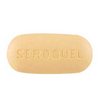
What Is Seroquel (Quetiapine)?
Seroquel (generic name: quetiapine fumarate) is an atypical antipsychotic medication used to treat serious mental health conditions, including schizophrenia and bipolar disorder. It is available as immediate-release (IR) tablets taken two to three times daily and extended-release (XR) tablets taken once daily, often in the evening. Quetiapine works by acting on several neurotransmitter systems in the brain, chiefly serotonin (5-HT) and dopamine (D2) receptors, to help stabilize mood, improve thought processes, and reduce distressing symptoms such as hallucinations, delusions, agitation, and severe mood swings.
Clinically, Seroquel is valued for its relatively low propensity to cause movement disorders compared with some older antipsychotics, and for its efficacy across multiple symptom clusters (positive, negative, and mood symptoms). Its antihistaminic and alpha-adrenergic effects contribute to sedation and blood pressure changes, which can be helpful at times (for example, promoting sleep in acute agitation) but also necessitate careful monitoring.
How Seroquel Works
Quetiapine is considered a second-generation (atypical) antipsychotic with a receptor profile that includes antagonism at serotonin 5-HT2A and dopamine D2 receptors, as well as histamine H1 and adrenergic alpha-1/alpha-2 receptors. Its active metabolite, norquetiapine, additionally exhibits norepinephrine reuptake inhibition and partial agonism at 5-HT1A receptors. These combined actions are thought to:
- Reduce psychotic symptoms by balancing dopamine and serotonin signaling.
- Improve mood and anxiety symptoms through serotonergic modulation and noradrenergic activity.
- Produce sedation via H1 histamine receptor blockade, particularly at lower doses.
- Cause orthostatic hypotension (lightheadedness on standing) through alpha-1 adrenergic blockade.
This multi-receptor activity underpins Seroquel’s versatility across schizophrenia, bipolar mania, and bipolar depression, and its approved use of the XR formulation as adjunctive therapy in major depressive disorder (MDD) in some regions.
Approved Uses and Who May Benefit
- Schizophrenia in adults (and in adolescents in some jurisdictions): Seroquel can reduce hallucinations, delusions, disorganized thinking, and agitation, while also addressing negative symptoms like social withdrawal and flat affect.
- Bipolar disorder:
- Acute mania or mixed episodes, as monotherapy or with mood stabilizers.
- Bipolar depression (adult): Seroquel IR is often dosed once nightly and titrated to a target of 300 mg/day for depressive episodes.
- Maintenance treatment: Sometimes used with mood stabilizers to reduce relapse risk.
- Adjunct in major depressive disorder (MDD) for Seroquel XR: In adults who have an inadequate response to antidepressants, adding Seroquel XR may improve depressive symptoms and sleep.
Important limitation: Seroquel is not approved for treating dementia-related psychosis and carries a boxed warning for increased mortality in elderly patients with dementia-related psychosis. Use in that population should be avoided unless a specialist determines a compelling indication and carefully assesses risks versus benefits.
How to Take Seroquel: Practical Instructions
Use Seroquel as directed by your doctor. Do not change your dose or stop taking it without medical guidance. Consistency is key to achieving symptom control and preventing relapse.
- Immediate-release (IR) tablets can be taken with or without food.
- Extended-release (XR) tablets are usually taken once daily in the evening. Swallow XR tablets whole; do not crush or chew. For optimal absorption, take XR without food or with a light meal (for example, 300 calories or less), depending on your prescriber’s advice.
- If you miss a dose, take it as soon as you remember. If it is close to your next dose, skip the missed dose and resume the regular schedule. Do not double doses.
- Do not suddenly stop taking Seroquel. Your clinician may reduce the dose gradually to minimize withdrawal-like symptoms (insomnia, nausea, headache, irritability) and rebound of underlying illness.
If you have any questions about timing, food interactions, or what to do if you miss multiple doses, ask your healthcare provider or pharmacist.
Typical Dosing and Titration
Doses vary widely based on diagnosis, age, other medications, and individual response. Your prescriber will tailor a schedule for you. Examples below are common adult starting and target ranges; always follow your clinician’s instructions.
- Schizophrenia (IR):
- Day 1: 25 mg twice daily.
- Increase in divided doses over 3–4 days to about 300–400 mg/day.
- Usual effective range: 150–750 mg/day in divided doses.
- Schizophrenia (XR):
- Begin at 300 mg once daily in the evening, with adjustments based on response.
- Usual effective range: 400–800 mg once daily.
- Bipolar mania (IR):
- Day 1: 50 mg twice daily.
- Titrate to 400–800 mg/day in divided doses over several days as tolerated.
- Bipolar depression (IR):
- Day 1: 50 mg at bedtime; Day 2: 100 mg; Day 3: 200 mg; Day 4: 300 mg at bedtime (target dose often 300 mg at bedtime).
- Adjunctive therapy for MDD (XR):
- Often initiated at 50 mg nightly and titrated to 150–300 mg nightly.
Hepatic impairment: Lower starting doses and slower titration are recommended. Renal impairment generally does not require adjustment, but clinical judgment prevails.
Storage and Handling
Store Seroquel at 77°F (25°C). Brief storage between 59 and 86°F (15–30°C) is permitted. Keep tablets in a dry place away from excess heat and light. Do not store in bathrooms. Keep out of reach of children and pets. Safely discard expired or unused medication per your pharmacy’s guidance or local take-back programs.
Who Should Not Use Seroquel
- Anyone with a known allergy to quetiapine or any of the tablet ingredients.
- Individuals being treated with potent CYP3A4 inhibitors (such as certain azole antifungals or HIV protease inhibitors) without a prescriber-managed dose adjustment plan.
- Elderly patients with dementia-related psychosis unless a specialist determines that benefits outweigh the risks (increased mortality risk).
Inform your prescriber about all medical conditions before starting Seroquel, especially if you have:
- Past or current diabetes, prediabetes, weight problems, or high cholesterol.
- Cardiovascular disease, a history of low or high blood pressure, or a family/personal history of QT prolongation or arrhythmia.
- Seizure disorder, liver disease, thyroid disease, glaucoma, urinary retention, or trouble swallowing.
- A personal or family history of bipolar disorder, depression, suicidal thoughts, or other mood disorders.
- Substance or alcohol use disorder.
- Pregnancy, plans to become pregnant, or breastfeeding.
Drug and Food Interactions
Quetiapine is extensively metabolized by CYP3A4 in the liver. Many interactions stem from inhibition or induction of this enzyme or from additive CNS or cardiovascular effects.
- Strong CYP3A4 inhibitors increase quetiapine levels and side effects:
- Examples: ketoconazole, itraconazole, clarithromycin, erythromycin, telithromycin, ritonavir and other HIV protease inhibitors, cobicistat, nefazodone.
- Management: Avoid coadministration when possible. If essential, prescribers may significantly reduce the Seroquel dose and monitor closely.
- Strong CYP3A4 inducers decrease quetiapine levels and effectiveness:
- Examples: carbamazepine, phenytoin, rifampin, St. John’s wort, phenobarbital.
- Management: Avoid combining. If necessary, prescribers may increase Seroquel dose and monitor; dose changes are individualized.
- Alcohol, opioids, benzodiazepines, antihistamines, and other sedatives: Additive sedation and impairment. Avoid alcohol and use caution with sedatives.
- Antihypertensives and alpha-blockers: Increased risk of low blood pressure and dizziness, especially when starting or titrating Seroquel.
- Dopamine agonists and levodopa: Potential reduction in their effectiveness due to dopamine receptor antagonism.
- QT-prolonging drugs: Use caution with other agents that prolong the QT interval (for example, certain antiarrhythmics, some macrolides, and methadone); monitor if combined.
- Grapefruit and grapefruit juice: Can raise quetiapine levels by inhibiting CYP3A4. Avoid unless your prescriber says otherwise.
Always provide your healthcare team with a current list of prescription and nonprescription medications, vitamins, and herbal supplements before starting, stopping, or changing any drug.
Important Safety Information and Boxed Warnings
- Suicidality risk in younger people: Antidepressant-class warnings extend to Seroquel when used in children, adolescents, and young adults for mood disorders. Monitor for new or worsening depression, suicidal thoughts, agitation, irritability, or unusual behavior changes—especially at initiation and with dose changes.
- Dementia-related psychosis: Increased risk of death in elderly patients with dementia-related psychosis. Seroquel is not approved for this use.
- Somnolence and impaired judgment: Seroquel can cause drowsiness, dizziness, and slowed thinking. Do not drive or operate heavy machinery until you know how you respond. Avoid alcohol.
- Orthostatic hypotension and falls: Dizziness or fainting may occur, especially during initial titration or dose increases, in hot weather, with dehydration, or after alcohol. Rise slowly from sitting/lying positions.
- Metabolic effects: Weight gain, increases in blood glucose (including new-onset diabetes) and lipid abnormalities can occur. Symptoms of high blood sugar include increased thirst/urination, fatigue, and fruity breath. Report symptoms promptly and keep recommended lab appointments.
- Extrapyramidal symptoms (EPS) and tardive dyskinesia (TD): Although less frequent than with first-generation antipsychotics, EPS (restlessness, tremor, stiffness) and TD (involuntary repetitive movements) may occur. Risk increases with higher doses and longer duration. Report any abnormal movements promptly.
- Neuroleptic Malignant Syndrome (NMS): A rare but potentially fatal reaction characterized by high fever, rigid muscles, confusion, sweating, and fast or irregular heartbeat. Seek emergency care immediately if suspected.
- Leukopenia/neutropenia: Low white blood cell counts may occur. Those with prior low counts or drug-induced leukopenia need closer monitoring; report signs of infection promptly (fever, sore throat, chills).
- Seizure risk: Use caution in those with seizure disorders or risk factors for lowered seizure threshold.
- Lens changes: Rare reports and animal data suggest potential lens changes. Periodic eye exams may be recommended with long-term use.
- Hyperprolactinemia: Quetiapine generally has a lower risk of elevating prolactin than some antipsychotics, but increases can occur, potentially causing menstrual changes, galactorrhea, or sexual dysfunction. Report symptoms to your clinician.
- Priapism: Rare, prolonged painful erections require urgent medical attention to prevent long-term issues.
- Temperature regulation and dehydration: Use caution in heat, avoid overheating, and maintain hydration, as antipsychotics can impair the body’s ability to cool itself.
Common and Serious Side Effects
Many people tolerate Seroquel well, and some side effects lessen over time. Still, knowing what to expect helps you respond appropriately.
- Common side effects:
- Sleepiness or drowsiness, fatigue, and lightheadedness.
- Dry mouth, constipation, upset stomach, or nausea.
- Increased appetite and weight gain.
- Dizziness, especially upon standing.
- Nasal congestion, sore throat.
- Headache or mild tremor.
- Less common but important:
- Restlessness or akathisia (a sense of inner restlessness).
- Increases in blood pressure in children/adolescents.
- Mood or behavior changes, including agitation or anxiety.
- Serious side effects—seek medical attention promptly:
- Signs of severe allergic reaction: rash, hives, swelling of face/lips/tongue, difficulty breathing.
- Fever, muscle rigidity, confusion, fast/irregular heartbeat, or heavy sweating (possible NMS).
- Severe dizziness, fainting, chest pain, or shortness of breath.
- Seizures.
- Severe or persistent constipation with abdominal pain or vomiting.
- New or worsening suicidal thoughts or behavior.
- Uncontrolled muscle movements or facial tics.
- Signs of high blood sugar (excessive thirst/urination, fatigue, fruity breath) or symptoms of pancreatitis (severe abdominal pain).
- Persistent, painful erection lasting more than 4 hours (priapism).
- Signs of infection: fever, chills, sore throat.
Report side effects to your prescriber. If you experience emergency symptoms (for example, difficulty breathing, chest pain, signs of stroke), call emergency services immediately.
Monitoring: What to Check and When
Because quetiapine can affect metabolism, blood pressure, and other systems, routine monitoring supports safe, effective treatment.
- Before starting:
- Weight/BMI and waist circumference.
- Blood pressure and pulse.
- Fasting blood glucose or A1C, and fasting lipids.
- Consider baseline CBC in those with history of low WBC.
- Pregnancy test if applicable; discuss family planning.
- During treatment:
- Weight and BMI at 4, 8, and 12 weeks, then quarterly.
- Blood pressure and pulse regularly, especially early in treatment.
- Fasting glucose/A1C and lipids at 3 months, then at least annually or more often if clinically indicated.
- Eye exams periodically with long-term use.
- CBC monitoring in individuals with prior low white counts or symptoms of infection.
If significant weight gain or metabolic changes occur, clinicians may adjust the dose, address lifestyle factors, add treatments to manage metabolic parameters, or consider an alternative medication.
Special Populations
- Older adults: Increased sensitivity to side effects like sedation, orthostatic hypotension, and movement symptoms. Start low, go slow. Avoid use in dementia-related psychosis due to increased mortality risk.
- Children and adolescents: Some indications and dosing differ by age and jurisdiction. Blood pressure elevations and metabolic effects may be more pronounced; careful monitoring is essential. Use only under specialist guidance.
- Pregnancy: Untreated mental illness carries risks to mother and baby. If you become pregnant while taking Seroquel, contact your prescriber promptly to discuss risks and benefits. Third-trimester exposure to antipsychotics can lead to transient neonatal symptoms (for example, agitation, breathing difficulties, feeding disorder). Decisions should be individualized.
- Breastfeeding: Quetiapine appears in breast milk at low levels. Some clinicians consider it compatible with breastfeeding with infant monitoring for sedation and feeding issues. Discuss with your obstetrician/pediatrician and psychiatrist to make an informed choice.
- Hepatic impairment: Lower starting doses and slower titration are recommended due to reduced metabolism.
- Renal impairment: Generally minimal dose adjustment required, but clinical monitoring is still important.
- Substance use disorders: Avoid alcohol and sedatives; quetiapine’s sedative properties can be risky when combined with CNS depressants.
Discontinuation and Switching
Do not stop Seroquel abruptly unless instructed by a clinician. A gradual taper helps reduce the risk of rebound insomnia, nausea, anxiety, irritability, and return of psychosis or mood symptoms. When switching to or from another antipsychotic or mood stabilizer, prescribers may cross-taper and monitor closely for symptom breakthrough, side effects, and interactions. Never adjust your medication plan on your own—coordination with your healthcare team is essential.
Overdose and Misuse
Overdose may cause profound drowsiness, low blood pressure, fast heartbeat, QT prolongation, and in severe cases, coma. If an overdose is suspected, seek emergency medical care immediately and bring the medication bottle for identification.
Quetiapine is sometimes misused for its sedative effects. Misuse increases the risk of dangerous interactions (for example, with opioids or alcohol), accidents, and medical complications. Always use Seroquel exactly as prescribed.
Cost, Access, and Responsible Use
Quetiapine is available as brand-name Seroquel and as generics, which can reduce cost. Prices vary widely among pharmacies and regions. Cost-saving options may include:
- Using generic quetiapine when appropriate.
- Pharmacy discount programs or coupons.
- Prescription assistance programs for eligible patients.
- Telehealth visits with licensed clinicians for evaluation and ongoing care, followed by e-prescriptions sent to your preferred pharmacy.
In the United States and many other countries, quetiapine is a prescription-only medication. Only purchase from licensed pharmacies that require a valid prescription. Be cautious of websites that advertise prescription drugs without a prescription; such practices are unsafe and often illegal. Your healthcare team can help you find reputable, affordable options to fill your prescription.
Comprehensive Use Tips
- Take doses at the same time each day to build a steady routine.
- Track side effects and bring notes to appointments—small adjustments can make a big difference.
- Pair medication with therapy and lifestyle supports when possible. Good sleep hygiene, moderated caffeine, regular meals, and physical activity can amplify benefits and mitigate metabolic effects.
- Avoid alcohol and recreational drugs; they can worsen symptoms and interact dangerously with Seroquel.
- Stay hydrated, especially in hot weather, and rise slowly from sitting or lying positions.
- Keep all lab and follow-up appointments to monitor health parameters and long-term safety.
Detailed Interaction Examples
- Medications that may raise quetiapine levels (higher side-effect risk):
- Azole antifungals (ketoconazole, itraconazole).
- Macrolide antibiotics (clarithromycin, erythromycin) and telithromycin.
- HIV protease inhibitors (ritonavir, atazanavir, lopinavir) and cobicistat-containing regimens.
- Nefazodone.
- Medications that may lower quetiapine levels (reduced effectiveness):
- Carbamazepine and oxcarbazepine.
- Phenytoin and phenobarbital.
- Rifampin.
- St. John’s wort (herbal).
- Other noteworthy interactions:
- Antihypertensives (including alpha-blockers): additive blood pressure lowering.
- Anticholinergic agents (for example, benztropine): additive constipation, dry mouth, urinary retention, or confusion—monitor especially in older adults.
- QT-prolonging drugs (for example, amiodarone, sotalol, methadone, some macrolides): potential additive effect—assess risks and consider ECG monitoring when warranted.
- Dopamine agonists/levodopa: quetiapine may blunt effects; monitor for reduced benefit in Parkinson’s disease therapy.
Because interactions can be complex and highly individualized, never start or stop medications, including over-the-counter products and supplements, without checking with your clinician or pharmacist.
Patient Experience and Expectations
Response patterns vary. Some people notice improvement in sleep and agitation within days, while core psychotic or depressive symptoms may take 2 to 6 weeks to improve, with continued gains over several months. It is common to require dose adjustments to balance effectiveness and tolerability. Good communication with your prescriber helps tailor therapy and reduces the risk of relapse. If you do not feel better after an adequate trial, do not be discouraged—there are alternative dosing strategies and other evidence-based options to explore.
Seroquel U.S. Sale and Prescription Policy
In the United States, Seroquel (quetiapine) is a prescription-only medication. Federal and state laws require a valid prescription from a licensed clinician to dispense Seroquel. Legitimate in-person and online pharmacies must verify a prescription before filling it. Purchasing quetiapine from sources that do not require a prescription is unsafe and often illegal.
HealthSouth Rehabilitation Hospital of Petersburg offers a legal and structured solution for accessing Seroquel—by connecting patients with qualified healthcare professionals for proper evaluation, diagnosis, and, when clinically appropriate, issuance of a valid prescription that can be filled at a licensed pharmacy. This approach complies with U.S. regulations and prioritizes patient safety, appropriate monitoring, and continuity of care. If you are interested in treatment with Seroquel or alternatives, the HealthSouth team can guide you through a legitimate care pathway, including telehealth options where available, without bypassing necessary medical oversight.
Seroquel FAQ
What is Seroquel (quetiapine) and what conditions does it treat?
Seroquel is an atypical antipsychotic used to treat schizophrenia, bipolar disorder (mania, mixed episodes, and bipolar depression), and as an adjunct to antidepressants in major depressive disorder (XR formulation); it is not approved for dementia-related psychosis due to increased mortality risk.
How does Seroquel work in the brain?
It blocks dopamine D2 and serotonin 5-HT2 receptors and has antihistamine and alpha-1 adrenergic effects; its active metabolite (norquetiapine) also affects norepinephrine reuptake, which may support antidepressant effects in bipolar depression and MDD augmentation.
What are the common side effects of Seroquel?
Drowsiness, dizziness, dry mouth, constipation, increased appetite, weight gain, orthostatic hypotension, and mild headache are common; some people experience elevated blood sugar or lipids.
What serious side effects should I watch for on Seroquel?
Seek care for signs of neuroleptic malignant syndrome (fever, rigidity, confusion), severe orthostatic dizziness or fainting, uncontrolled movements (tardive dyskinesia), high blood sugar (excess thirst/urination), severe rash, seizures, or signs of stroke; young people may have increased suicidal thoughts.
How should I take Seroquel—morning or night, with or without food?
Because it can be sedating, most take it in the evening; immediate-release can be taken with or without food, while XR is typically taken once daily, consistently with regard to meals; follow your prescriber’s timing and do not crush XR tablets.
What is the difference between Seroquel and Seroquel XR?
Both contain quetiapine; Seroquel (IR) is usually taken 2–3 times daily with quicker peaks and more pronounced sedation, while Seroquel XR releases slowly for once-daily dosing and smoother blood levels that may reduce daytime sedation and peaks.
How long does Seroquel take to start working?
Sedation and anxiety relief can appear within hours to days; improvements in mania or agitation often emerge in 1–2 weeks; schizophrenia and depressive symptoms may continue to improve over 2–6 weeks or longer.
Can Seroquel cause weight gain and metabolic changes?
Yes; it can increase appetite, weight, blood sugar, and cholesterol; baseline and periodic checks of weight/BMI, waist circumference, fasting glucose/A1c, and lipids are recommended, along with diet, activity, and lifestyle support.
Will Seroquel make me sleepy?
Sedation is common, especially at lower doses due to strong antihistamine effects; dose timing, formulation choice (XR vs IR), and gradual titration can help manage drowsiness.
Can I use Seroquel for insomnia or anxiety?
It is sometimes prescribed off-label, but most guidelines discourage routine use for primary insomnia or mild anxiety due to risks like metabolic effects; consider safer, evidence-based options unless there is a clear psychiatric indication.
What should I avoid while taking Seroquel?
Avoid alcohol and grapefruit/grapefruit juice; be cautious with other sedatives, certain antibiotics/antifungals, and seizure or HIV medications that affect CYP3A4; do not combine with other QT-prolonging drugs without medical guidance.
What happens if I miss a dose of Seroquel?
Take it when remembered unless it’s close to the next dose; do not double up; if you miss several doses in a row, contact your prescriber as you may need to retitrate.
Can I stop Seroquel suddenly?
Abrupt discontinuation can cause withdrawal symptoms (insomnia, nausea, irritability, return of symptoms); taper under medical supervision to minimize risks.
Is Seroquel safe for older adults?
It can be used, but sedation, falls, orthostatic hypotension, and metabolic effects are more likely; it carries an increased mortality risk in elderly patients with dementia-related psychosis and is not approved for this use.
How is Seroquel metabolized and what drug interactions matter?
It is metabolized mainly by CYP3A4; strong inhibitors (e.g., ketoconazole, clarithromycin, ritonavir) can raise levels, while inducers (e.g., carbamazepine, phenytoin, rifampin) can lower levels; avoid grapefruit and review all medications with your clinician.
Is it safe to drink alcohol while taking Seroquel?
No; alcohol adds to sedation, slows reaction time, worsens orthostatic hypotension, and increases the risk of accidents and overdose-like effects.
Can I take Seroquel if I am pregnant?
It may be considered when benefits outweigh risks; third-trimester exposure can cause newborn adaptation symptoms (jitteriness, feeding or breathing issues); discuss family planning and perinatal monitoring with your obstetric and psychiatric teams.
Can I breastfeed while taking Seroquel?
Quetiapine passes into breast milk at low levels and is generally considered compatible with breastfeeding, but monitor the infant for excessive sleepiness, poor feeding, or developmental concerns and coordinate with pediatric and maternal care.
What should I know about Seroquel before surgery or anesthesia?
Do not stop abruptly; it is usually continued, but inform the surgical and anesthesia team because it can cause hypotension, sedation, and potential QT effects when combined with anesthetics or opioids.
Can Seroquel affect driving or operating machinery?
Yes; it can impair alertness, reaction time, and coordination; avoid driving until you know how it affects you and after any dose changes.
What if I have liver problems—can I still take Seroquel?
Use with caution; lower starting doses and slower titration are recommended in hepatic impairment, with periodic liver function monitoring.
Is Seroquel appropriate if I have heart rhythm issues or take QT-prolonging drugs?
Quetiapine has a modest QT-prolongation potential; use caution and consider ECG monitoring if you have existing QT prolongation, electrolyte abnormalities, or take other QT-prolonging agents.
What happens if I take Seroquel after using recreational drugs or cannabis?
Sedation and orthostatic hypotension can intensify with cannabis, opioids, or benzodiazepines; stimulants may worsen agitation or psychosis; avoid mixing and seek medical advice.
Seroquel vs risperidone: which is better for schizophrenia?
Both are effective; risperidone may control positive symptoms at lower doses but more often increases prolactin and causes extrapyramidal symptoms, while Seroquel tends to be more sedating with lower prolactin effects but higher risk of weight gain; individual response and side effect priorities guide choice.
Seroquel vs olanzapine: differences in side effects and weight gain?
Olanzapine generally causes more weight gain and metabolic issues; Seroquel also causes weight gain but is usually more sedating and can cause orthostatic hypotension; efficacy for schizophrenia and mania is comparable, so metabolic risk and sedation often drive the decision.
Seroquel vs aripiprazole: which causes more sedation and akathisia?
Seroquel is more sedating; aripiprazole is less sedating but more likely to cause akathisia or activation; aripiprazole tends to be more weight-neutral, while Seroquel has higher metabolic risk.
Seroquel vs ziprasidone: metabolic risk and QT prolongation compared?
Ziprasidone is relatively weight-neutral with a lower metabolic burden but has a higher risk of QT prolongation and must be taken with food for absorption; Seroquel is more sedating with higher metabolic risk but typically less QT effect.
Seroquel vs lurasidone: bipolar depression and metabolic profile?
Both treat bipolar depression; lurasidone has a favorable metabolic profile and needs food for reliable absorption, with akathisia more common; Seroquel is sedating and effective but has higher metabolic risk and orthostatic hypotension.
Seroquel vs clozapine: role in treatment-resistant schizophrenia?
Clozapine is the gold standard for treatment-resistant schizophrenia and reduces suicide risk but requires blood monitoring due to agranulocytosis and has significant metabolic and other side effects; Seroquel is safer to manage but less effective in true treatment resistance.
Seroquel vs haloperidol: efficacy and side effects?
Haloperidol is potent for acute agitation and positive symptoms but has higher rates of extrapyramidal symptoms and prolactin elevation; Seroquel has lower EPS/prolactin risk, more sedation, and greater metabolic impact.
Seroquel vs paliperidone: prolactin effects and long-acting options?
Paliperidone often elevates prolactin and has long-acting injectable formulations that improve adherence; Seroquel is prolactin-sparing but only available orally and is more sedating with higher metabolic risk.
Seroquel vs cariprazine: negative symptoms and activation?
Cariprazine may be advantageous for negative symptoms and has a long half-life; it can cause akathisia and insomnia; Seroquel is more sedating and anxiolytic but less activating, with more metabolic effects.
Seroquel IR vs Seroquel XR: choosing a formulation?
IR allows flexible split dosing but causes peak-related sedation; XR offers once-daily dosing with smoother levels and may improve daytime function; selection depends on symptom timing, sedation tolerance, and adherence.
Seroquel vs brexpiprazole: as adjuncts in depression?
Both are approved as adjuncts to antidepressants; brexpiprazole often has less sedation and metabolic impact but more akathisia at higher doses; Seroquel XR can aid sleep and anxiety but carries higher sedation and metabolic risk.
Seroquel vs asenapine: efficacy and tolerability?
Both are effective for schizophrenia and bipolar mania; asenapine is sublingual or transdermal, can cause oral numbness and has lower weight gain risk than many atypicals; Seroquel is oral, more sedating, and has higher metabolic risk but may be better for patients needing nighttime sedation.