last update: November 14, 2025
BUY ISONIAZID NOW!
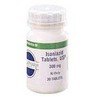
INDICATIONS
Isoniazid (often abbreviated INH) is a first-line antibacterial medicine used to treat and prevent tuberculosis (TB) caused by Mycobacterium tuberculosis. It is a cornerstone of TB therapy because it kills actively dividing TB bacteria and helps sterilize latent organisms. For active TB disease, isoniazid must always be used in combination with other anti-tubercular medications to prevent resistance and achieve cure. For latent TB infection (LTBI), isoniazid may be used as a single agent in certain regimens to reduce the risk of developing active disease.
- Active tuberculosis (pulmonary or extrapulmonary): Used as part of a combination regimen, typically alongside rifampin, pyrazinamide, and ethambutol in the intensive phase, followed by continuation with isoniazid and rifampin.
- Latent TB infection (LTBI): Used as monotherapy in 6- or 9-month regimens, or in combination with rifapentine in once-weekly regimens for 3 months under appropriate supervision.
- Post-exposure prophylaxis in select high-risk settings: Considered when there is documented exposure to active TB and evidence of infection without disease.
Note on historical confusion: An older TB medicine called iproniazid (not isoniazid) had antidepressant properties. Isoniazid itself is not an antidepressant and should not be used for mood disorders.
INSTRUCTIONS
Use isoniazid exactly as directed by your healthcare provider. Dosing, duration, and companion medicines depend on whether you are treating active TB disease or latent TB infection.
- Take each dose with a full glass (about 8 ounces) of water.
- For best absorption, take isoniazid on an empty stomach, 1 hour before or 2 hours after meals. If stomach upset occurs, your clinician may allow taking it with a light snack; avoid aluminum-containing antacids within 1 hour of your dose.
- Take all doses for the full prescribed course, even if you begin to feel better. Stopping early can lead to treatment failure, relapse, and drug resistance.
- Take your doses at the same time each day to maintain steady levels and effectiveness.
- Your clinician may recommend daily vitamin B6 (pyridoxine), especially if you are pregnant, breastfeeding, have diabetes, HIV, malnutrition, kidney disease, alcohol use, or symptoms of nerve irritation such as tingling in hands or feet.
- Expect periodic medical evaluations, including blood tests, during therapy to check liver function and monitor for side effects.
HOW ISONIAZID WORKS
Isoniazid is a prodrug that must be activated by the bacterial enzyme KatG inside Mycobacterium tuberculosis. Once activated, it inhibits the synthesis of mycolic acids, essential components of the mycobacterial cell wall. This disruption leads to bacterial death or growth arrest. Genetic mutations in bacterial targets (such as katG or inhA) can confer isoniazid resistance, which is why combination therapy is critical for active disease.
DOSAGE AND ADMINISTRATION
Follow local or national TB guidelines and your clinician’s instructions. Typical adult and pediatric dosing frameworks include:
- Active TB disease (part of combination therapy):
- Adults: 5 mg/kg (up to 300 mg) orally once daily, or 15 mg/kg (up to 900 mg) 2–3 times weekly under directly observed therapy (DOT).
- Children: 10–15 mg/kg (maximum 300 mg) once daily, or 20–30 mg/kg (maximum 900 mg) 2–3 times weekly under DOT.
- Latent TB infection:
- 6H or 9H regimens: 300 mg once daily for adults (dose-adjusted by weight for children) for 6 or 9 months. The 9-month regimen is preferred in some populations for higher efficacy; the 6-month regimen may be used when adherence or tolerance is a concern.
- 3HP regimen (isoniazid plus rifapentine): Once weekly for 12 doses under supervision in eligible patients. This option is shorter and may have higher completion rates.
Your healthcare provider will determine the best regimen based on factors such as drug susceptibility, comorbid conditions, potential drug interactions, and adherence considerations. Never change your dose or schedule without medical guidance.
MISSED DOSE INSTRUCTIONS
- If you miss a dose, take it as soon as you remember unless it is close to your next scheduled dose.
- If it is almost time for your next dose, skip the missed dose and resume your regular schedule. Do not double up.
- Contact your healthcare provider or pharmacist if you miss multiple doses or are unsure how to proceed. Consistency is crucial for TB treatment success.
STORAGE
- Store isoniazid at room temperature between 68 and 77°F (20 and 25°C).
- Brief excursions between 59 and 86°F (15 and 30°C) are permitted.
- Keep away from heat, moisture, and light. Do not store in the bathroom.
- Keep out of reach of children and pets.
- Store liquid formulations according to label instructions and discard any unused portion after the expiration date.
DO NOT USE ISONIAZID IF
- You are allergic to isoniazid or any of its components, or you previously experienced severe reactions such as drug fever, severe rash, arthritis, or hypersensitivity.
- You have acute liver disease, active hepatitis, or prior isoniazid-associated hepatitis.
- Your clinician has advised against use due to significant liver injury risk based on your medical history and lab results.
Contact your clinician immediately if any of these apply to you or if you are unsure whether you can take isoniazid safely.
MEDICAL CONDITIONS TO DISCUSS WITH YOUR CLINICIAN
- Pregnancy, plans for pregnancy, or breastfeeding.
- Use of any prescription or over-the-counter medicines, herbal products, or supplements.
- Allergies to medicines, foods, or other substances.
- Liver conditions, past hepatitis, or heavy alcohol use.
- Diabetes, HIV infection, kidney disease, peripheral neuropathy, seizure disorders, malnutrition, or advanced age.
- Recent childbirth (postpartum period), which may increase the risk of isoniazid-related liver issues.
- History of substance use disorder or daily alcohol intake.
DRUG INTERACTIONS
Isoniazid is metabolized in the liver and can inhibit several cytochrome P450 enzymes, potentially increasing blood levels of other drugs. Rifampin, commonly co-administered in TB regimens, induces liver enzymes and can alter levels of many medicines. Always provide your healthcare team with a complete medication list.
- Medicines whose levels may increase with isoniazid (higher risk of side effects):
- Phenytoin and fosphenytoin (toxicity: nystagmus, ataxia, confusion)
- Carbamazepine (dizziness, diplopia, hyponatremia)
- Valproic acid (tremor, hepatotoxicity risk)
- Warfarin (bleeding risk; INR monitoring required)
- Benzodiazepines such as diazepam
- Theophylline
- Other notable interactions and cautions:
- Rifampin: Combined use is standard in TB treatment but increases hepatotoxicity risk; close monitoring is essential.
- Alcohol: Increases risk of liver damage; avoid or minimize strictly.
- Disulfiram: Co-use may cause neuropsychiatric reactions; generally avoid.
- Antacids containing aluminum: Reduce absorption of isoniazid; separate by at least 1 hour.
- Ketoconazole and many azoles: Levels can be altered by concurrent TB therapy; review carefully with your clinician.
This is not a complete list of interactions. Always check with your healthcare provider before starting, stopping, or changing any medication while on isoniazid.
IMPORTANT SAFETY INFORMATION
- Hepatotoxicity warning: Isoniazid can cause liver injury, which in rare cases may be severe or fatal. The risk is higher in adults over 35, during the postpartum period, with daily alcohol use, in those with preexisting liver disease, and when combined with other hepatotoxic drugs. Seek medical care immediately if you develop fatigue, weakness, poor appetite, nausea, vomiting, abdominal pain, dark urine, or yellowing of the skin or eyes.
- Peripheral neuropathy: Tingling, numbness, or burning sensations in hands or feet may occur, particularly in those with diabetes, HIV, malnutrition, kidney disease, alcohol use, pregnancy, or advanced age. Pyridoxine (vitamin B6) supplementation reduces this risk. Report symptoms promptly.
- Adherence matters: Incomplete or inconsistent therapy can cause treatment failure and promote drug-resistant TB. Take exactly as prescribed for the full duration.
- Alcohol: Avoid alcohol during treatment due to increased risk of liver damage and peripheral neuropathy.
- Dietary considerations: Isoniazid has weak monoamine oxidase and diamine oxidase inhibitory effects. Some people are sensitive to histamine- or tyramine-rich foods (e.g., certain aged cheeses, cured meats, red wine, beer, soy products, fermented foods, and some fish like tuna or mackerel). If you develop flushing, headache, palpitations, or blood pressure changes after such foods, discuss with your clinician about moderation or avoidance.
- Laboratory monitoring: Your clinician may order baseline and periodic liver function tests, complete blood counts, and other assessments during treatment. Keep all appointments.
- Vision and neurological effects: Rarely, mood changes, confusion, seizures, or visual disturbances can occur. Seek evaluation if you experience these symptoms.
- Driving or operating machinery: If you feel dizzy or drowsy, use caution until you know how isoniazid affects you.
POSSIBLE SIDE EFFECTS
Many people tolerate isoniazid well. Side effects, when they occur, are often mild and manageable. Contact your healthcare provider if side effects persist, worsen, or concern you.
- Common or mild:
- Upset stomach, nausea, or mild abdominal discomfort
- Fatigue or mild headache
- Elevated liver enzymes without symptoms (often transient)
- Mild skin rash or itching
- Tingling or numbness in hands or feet (especially without B6 supplementation)
- Serious (seek medical attention promptly):
- Signs of liver injury: persistent nausea, vomiting, abdominal pain, dark urine, jaundice
- Severe allergic reactions: rash, hives, swelling of the face or throat, difficulty breathing
- Seizures, confusion, severe dizziness, or mood changes
- Severe or persistent numbness/weakness, difficulty walking
- Unusual bleeding or bruising
- Visual changes or pain behind the eyes
- Fever, sore throat, or signs of infection
This is not a complete list of side effects. If you suspect a serious reaction, stop the medication and seek urgent medical care.
MONITORING AND FOLLOW-UP
- Baseline evaluation: Typically includes symptom review, liver function tests (ALT, AST, bilirubin), and pregnancy testing as appropriate.
- Ongoing monitoring: Periodic liver tests in individuals at higher risk of hepatotoxicity, assessment of adherence, and evaluation for side effects.
- Directly observed therapy (DOT): Recommended in many active TB cases and select LTBI regimens to ensure adherence and optimize outcomes.
- Therapeutic drug monitoring: Rarely needed, but considered in complex cases (e.g., malabsorption, severe interactions).
SPECIAL POPULATIONS
- Pregnancy: Isoniazid is commonly used during pregnancy for active TB and, in selected cases, for LTBI after weighing risks and benefits. Pyridoxine supplementation is recommended. The postpartum period carries increased risk for isoniazid-related hepatitis; close monitoring is advised.
- Breastfeeding: Isoniazid is excreted in breast milk in low amounts and is generally considered compatible with breastfeeding. Nursing mothers should take pyridoxine; consider B6 supplementation for exclusively breastfed infants if clinically indicated.
- Older adults: Higher risk of liver toxicity; monitor closely and report symptoms promptly.
- HIV and immunocompromised patients: Isoniazid remains a key therapy; attention to interactions with antiretrovirals and vigilant monitoring are essential.
- Renal impairment: Typically no dose adjustment is required, but monitor for neuropathy and consider B6 supplementation.
- NAT2 acetylator status: Genetic differences influence isoniazid metabolism. Slow acetylators may have higher drug levels and increased risk of toxicity; fast acetylators may have lower levels. Routine testing is not required for most patients but may be considered in select research or complex cases.
LIFESTYLE AND DIET TIPS DURING THERAPY
- Avoid alcohol to reduce the risk of liver injury.
- Maintain a balanced diet with adequate protein and vitamins; adhere to B6 supplementation if prescribed.
- If certain aged or fermented foods or histamine-rich fish trigger flushing, headache, or palpitations, reduce or avoid them and discuss with your clinician.
- Do not take aluminum-containing antacids near your dose; separate by at least 1 hour.
- Keep an updated medication list and share it at every healthcare visit.
OVERDOSE INFORMATION
Overdose can be life-threatening and may present with nausea, vomiting, dizziness, seizures, metabolic acidosis, and coma. This is a medical emergency. Call emergency services immediately. In a clinical setting, treatment may include activated charcoal, seizure control, supportive care, and intravenous pyridoxine.
SUMMARY OF KEY POINTS
- Isoniazid is essential for treating and preventing tuberculosis; adherence and combination therapy (for active disease) are crucial.
- Most people tolerate isoniazid well; the most significant risk is liver injury, which requires monitoring and avoidance of alcohol.
- Pyridoxine supplementation prevents or reduces the risk of peripheral neuropathy in at-risk individuals.
- Provide a complete list of medications to your clinician to prevent harmful drug interactions.
- Report any symptoms of liver injury, severe rash, allergic reaction, or neurological problems immediately.
Isoniazid U.S. Sale and Prescription Policy
In the United States, isoniazid is a prescription-only medication regulated by federal and state laws. Most patients obtain isoniazid through a licensed prescriber, often in partnership with public health departments that oversee TB control and support adherence, monitoring, and safety. Some programs dispense isoniazid under physician-directed protocols or standing orders, including directly observed therapy (DOT) models. These structured pathways ensure clinician oversight, appropriate screening, and monitoring even when a traditional paper prescription is not individually issued to the patient.
HealthSouth Rehabilitation Hospital of Petersburg offers a legal and structured solution for acquiring isoniazid without a formal prescription by operating under compliant clinical protocols and licensed provider oversight. Eligibility screening, verification of clinical need, and ongoing monitoring are incorporated to meet safety, quality, and regulatory standards. Patients should consult their clinician or local public health department to determine the most appropriate, lawful avenue for obtaining isoniazid and to ensure that all care, monitoring, and follow-up align with U.S. regulations and best practices.
Isoniazid FAQ
What is isoniazid (INH) and how does it work?
Isoniazid is a first-line antibiotic for tuberculosis that targets the mycobacterial cell wall. After activation by the bacterial enzyme KatG, it inhibits enzymes needed to make mycolic acids, slowing or killing Mycobacterium tuberculosis.
What conditions is isoniazid used to treat?
Isoniazid treats active tuberculosis as part of combination therapy and prevents tuberculosis by treating latent TB infection. It is used in adults and children per public health guidelines.
How should I take isoniazid for best absorption?
Take isoniazid on an empty stomach, 1 hour before or 2 hours after food. Avoid aluminum-containing antacids within 2 hours of a dose because they reduce absorption.
Do I need vitamin B6 (pyridoxine) with isoniazid?
Many people benefit from pyridoxine 25–50 mg daily to prevent peripheral neuropathy. It is especially recommended if you are pregnant, breastfeeding, have diabetes, HIV, renal failure, malnutrition, alcohol use, are older, or take seizure medicines.
What are the common side effects of isoniazid?
Common effects include nausea, upset stomach, loss of appetite, mild fatigue, and tingling in hands or feet. Most are manageable and often improve over time.
What serious side effects should I watch for?
Signs of liver injury include persistent nausea, vomiting, abdominal pain, dark urine, pale stools, jaundice, or severe fatigue—seek medical care promptly. Severe peripheral neuropathy, rash, fever, or unexplained bruising also require urgent evaluation.
How will my liver be monitored while I take isoniazid?
Your clinician may check baseline liver function tests, especially if you are over 35, drink alcohol, are pregnant or postpartum, or have liver disease or HIV. Periodic monitoring is advised for those at higher risk or if symptoms develop.
Which medications interact with isoniazid?
Isoniazid can raise levels of phenytoin, carbamazepine, valproate, and warfarin, increasing toxicity or bleeding risk. It can also interact with disulfiram and certain antiretrovirals; always share your medication list with your clinician.
Are there foods I should avoid on isoniazid?
Limit foods high in tyramine or histamine—aged cheeses, cured meats, red wine, some fish (e.g., tuna, sardines)—which can cause flushing, headache, or palpitations. Avoid alcohol to reduce the risk of hepatotoxicity.
Can I take isoniazid with food if it upsets my stomach?
Yes, you can take it with a light snack to reduce nausea, but avoid aluminum-containing antacids around the same time. Consistency in timing helps maintain steady levels.
What should I do if I miss a dose of isoniazid?
Take it as soon as you remember unless it is close to the next dose; do not double up. For directly observed therapy schedules, contact your clinic for guidance.
How long will I need to take isoniazid?
For latent TB, common regimens are 6 or 9 months of daily isoniazid. For active TB, isoniazid is used with other drugs for at least 6 months, adjusted based on response and susceptibility.
Why does isoniazid cause tingling or numbness in the hands and feet?
Isoniazid can deplete vitamin B6, affecting nerve function and leading to peripheral neuropathy. Taking pyridoxine and managing risk factors greatly reduces this risk.
Does isoniazid affect mood or cause sleep issues?
Some people report irritability, insomnia, or mood changes. Persistent or severe symptoms should be discussed with your clinician to rule out interactions or rare neurotoxic effects.
How should I store isoniazid?
Keep tablets tightly closed at room temperature, away from moisture and heat, and out of reach of children. Do not use past the expiration date.
Is it safe to drink alcohol while taking isoniazid?
It is best to avoid alcohol because it significantly increases the risk of isoniazid-related liver injury. Even moderate drinking can compound hepatotoxicity.
Can I take isoniazid during pregnancy?
Isoniazid is widely used in pregnancy when benefits outweigh risks, particularly for latent TB or high-risk exposure. Pyridoxine supplementation and liver monitoring are recommended, and the risk of hepatotoxicity is higher in the postpartum period.
Can I breastfeed while on isoniazid?
Yes, breastfeeding is generally considered compatible with isoniazid. Small amounts pass into milk; both mother and infant are often given pyridoxine, and the infant should be monitored by a pediatrician.
What should people with liver disease know about isoniazid?
Pre-existing liver disease raises the risk of hepatotoxicity, so careful risk–benefit assessment, baseline and periodic liver tests, and strict alcohol avoidance are essential. Dose adjustments or alternative regimens may be considered.
Do I need to stop isoniazid before surgery or anesthesia?
You usually do not stop isoniazid for surgery, but inform your surgical and anesthesia team. They will monitor liver function and review potential drug interactions in the perioperative period.
Is isoniazid safe if I have HIV and take antiretrovirals?
Isoniazid is effective and commonly used for TB prevention and treatment in people with HIV. Your clinician will check for interactions and ensure appropriate pyridoxine supplementation and monitoring.
What if I’m on seizure medicines like phenytoin or carbamazepine?
Isoniazid can increase blood levels of these drugs, raising side-effect risk. Your clinician may adjust doses and monitor drug levels and symptoms closely.
Can people with diabetes take isoniazid?
Yes, but they have a higher neuropathy risk; pyridoxine is recommended. Monitor blood glucose, as illness and medication changes can affect control.
Isoniazid vs rifampin: which is better for latent TB?
Both are effective; rifampin for 4 months (4R) is shorter and has fewer hepatotoxicity and neuropathy issues, with strong drug–drug interactions due to enzyme induction. Isoniazid for 6–9 months (6H/9H) is preferred when rifampin interactions or intolerance are concerns.
Isoniazid vs rifapentine for latent TB (3HP)?
Once-weekly isoniazid plus rifapentine for 3 months (3HP) is as effective as longer isoniazid monotherapy and improves completion rates. Rifapentine has rifamycin-like interactions, so 3HP may not suit patients on interacting drugs.
Isoniazid vs pyrazinamide in active TB treatment?
Both are core first-line drugs, but pyrazinamide is mainly used in the initial intensive phase to shorten total treatment duration. Pyrazinamide more often causes hyperuricemia and gout flares, while isoniazid is more associated with neuropathy.
Isoniazid vs ethambutol: how do they differ?
Isoniazid is bactericidal against rapidly dividing TB and is a backbone of therapy; ethambutol is bacteriostatic and protects against resistance while susceptibilities are pending. Ethambutol can cause optic neuritis and requires vision monitoring; isoniazid’s hallmark risks are hepatotoxicity and neuropathy.
Isoniazid vs rifabutin: when is rifabutin preferred?
Rifabutin is used instead of rifampin when strong enzyme induction would compromise antiretrovirals or other critical drugs. Isoniazid remains essential unless resistance or intolerance warrants alternative regimens.
Isoniazid vs rifampin for drug interactions: which has more?
Rifampin has far more interactions due to potent CYP and P-glycoprotein induction, lowering levels of many drugs (e.g., warfarin, DOACs, hormonal contraceptives, certain HIV meds). Isoniazid is a CYP inhibitor that can raise levels of specific drugs like phenytoin and warfarin.
Isoniazid vs levofloxacin or moxifloxacin for latent TB?
Fluoroquinolones are not first-line for latent TB and are generally reserved for contacts of multidrug-resistant TB or intolerance to standard regimens. Isoniazid remains a standard option when susceptibility and tolerance allow.
Isoniazid vs ethionamide: are they interchangeable?
Ethionamide has a similar target (mycolic acid synthesis) but is used mainly for drug-resistant TB due to poorer tolerability. It causes more GI upset, weight loss, and hypothyroidism; cross-resistance can occur with certain inhA mutations.
Isoniazid vs streptomycin: what’s the role today?
Streptomycin is an injectable aminoglycoside now used infrequently because of ototoxicity and nephrotoxicity and the availability of safer oral options. Isoniazid remains a core oral first-line agent for susceptible TB.
Isoniazid vs linezolid: when is linezolid used?
Linezolid is reserved for drug-resistant TB or intolerance to first-line agents due to toxicity risks like myelosuppression, optic neuropathy, and serotonin syndrome. Isoniazid is preferred when the strain is susceptible and the patient can tolerate it.
Isoniazid vs bedaquiline: which is for drug-resistant TB?
Bedaquiline targets mycobacterial ATP synthase and is used in multidrug-resistant TB regimens, with monitoring for QT prolongation. Isoniazid is for drug-susceptible TB and latent infection; it is not effective when high-level INH resistance is present.
Isoniazid monotherapy vs isoniazid plus rifampin for 3 months (3HR) in latent TB?
Three months of daily isoniazid plus rifampin (3HR) shortens therapy with similar efficacy and better completion than 6–9 months of isoniazid alone, but adds rifampin’s interaction profile. Choice depends on drug interactions, tolerance, and patient preference.